If you have ever walked through a neighborhood and felt like the streets themselves were doing the storytelling, Andersonville is that kind of place. For buyers, sellers, and anyone trying to understand how a Chicago neighborhood actually lives day to day, Andersonville offers a clear sense of rhythm shaped by its main street, side streets, parks, and older building stock. This guide will help you understand how the area is laid out, what gives it its character, and why its streets and public spaces matter when you are evaluating the neighborhood. Let’s dive in.
Clark Street Shapes Andersonville
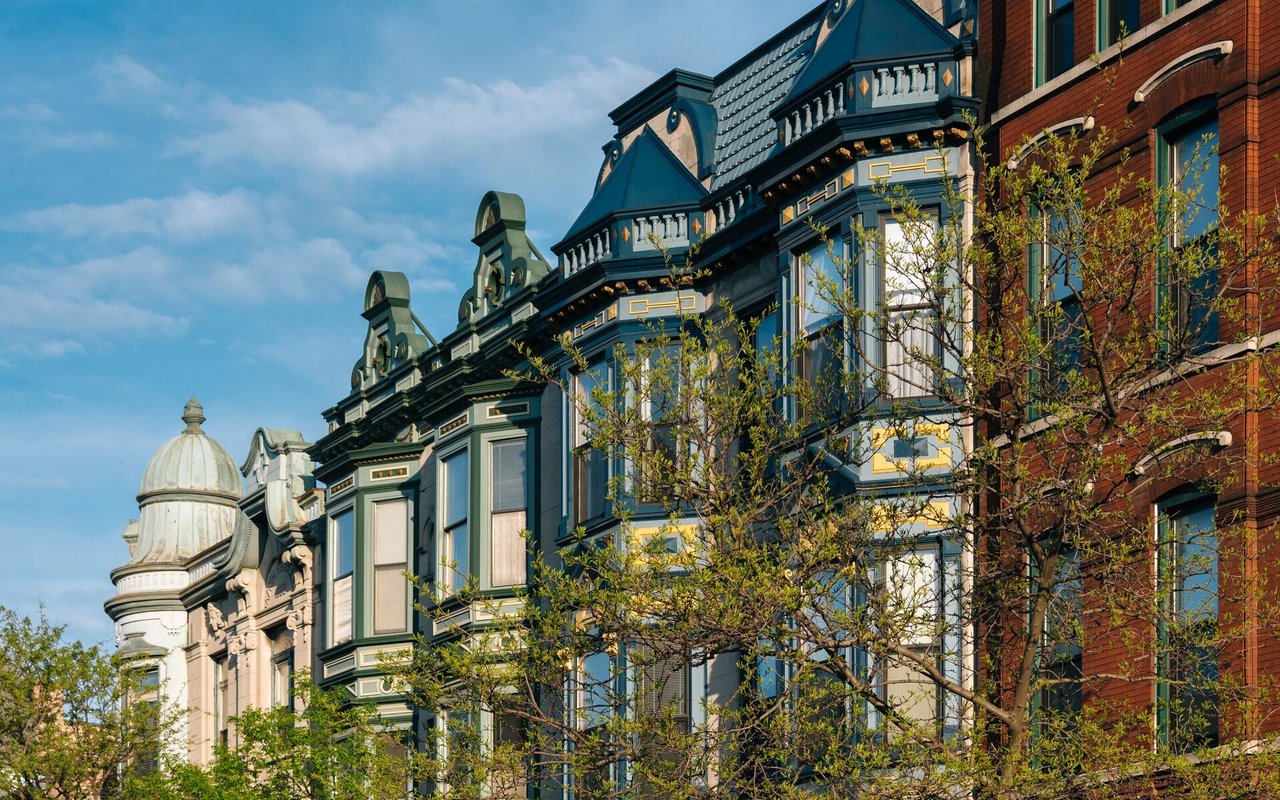
Andersonville is centered on Clark Street, and that spine does most of the heavy lifting. The neighborhood grew after the 1871 Chicago Fire as Swedish immigrants moved north, and the commercial district still reflects that history through intact turn-of-the-century buildings.
That legacy is still visible in the built environment today. The former Swedish American State Bank at 5400 N Clark is one clear landmark tied to the area’s early identity, and the broader commercial historic district helps explain why Andersonville feels established rather than newly assembled.
Just as important, Clark Street is not simply a retail corridor. The Andersonville Chamber describes the area as home to more than 430 member businesses, which gives the neighborhood a compact, locally driven main street feel instead of a single-purpose strip.
The Commercial Core Feels Walkable
A big part of Andersonville’s appeal is how concentrated it is. SSA #22 defines the core commercial district as Clark Street from Ainslie to Victoria, with adjoining side streets up to the alleys, plus portions of Foster, Balmoral, and Olive near the Clark and Ashland split.
In practical terms, that means the neighborhood experience is easy to read. You can move through shops, restaurants, service businesses, and side streets without feeling like the district stretches too far or loses its shape.
For many buyers, that kind of human-scale layout matters. It changes how errands feel, how often you may choose to walk, and how connected daily life can feel to the street outside your front door.
Streetscape Details Support Daily Life
Andersonville’s polished feel is not accidental. SSA #22 funds sidewalk sweeping, trash and recycling pickup five times a week and six times a week in summer, along with pressure washing, snow removal, planters, and holiday lighting.
Those details may sound small on paper, but they affect how the neighborhood reads in person. Clean sidewalks, maintained planters, and seasonal lighting help reinforce the sense that this is an active, cared-for commercial district.
The landscaping also adds to the area’s identity. The district maintains 51 planters with Illinois native plants, along with more than 150 decorative light posts tied into seasonal décor and streetscape upkeep.
Transit Keeps Andersonville Connected
Andersonville may feel distinct, but it is not isolated. CTA service keeps the neighborhood connected to the broader North Side and beyond, which is an important part of its day-to-day practicality.
Route 22 Clark runs between Howard and Clark/Harrison and includes overnight service. Route 92 Foster runs between Jefferson Park and Berwyn, and both Berwyn and Bryn Mawr are listed by CTA as accessible Red Line stations.
That mix of bus and rail access helps explain why Andersonville works well for people who want neighborhood identity without giving up broader city access. It also reinforces the fact that the area functions as part of a larger North Side network.
Public Spaces Are Layered
Some neighborhoods are defined by one major park. Andersonville works differently, with public space spread across pocket parks, planted sidewalks, and a nearby larger green anchor.
Andersonville Park at 5233 N Ashland is a small pocket park just north of Foster. It covers 0.19 acres and was renamed from Ashland Playlot in 1993 at the request of residents.
While small, spaces like this matter because they break up the urban fabric. They add breathing room and reinforce the neighborhood’s walkable, close-knit pattern.
Winnemac Park Anchors the Area
For a larger outdoor resource, Winnemac Park is the major green anchor tied to the neighborhood. The Chicago Park District lists it at 22.38 acres, bounded by Damen, Foster, Leavitt, and Argyle.
The park includes a fieldhouse, playground, tennis court, track, baseball field, football and soccer field, picnic grove, teaching garden, and a natural area with about three acres of native prairie habitat. That range of uses gives the neighborhood access to both active recreation and quieter open space.
For homebuyers, this kind of nearby park access can shape how a neighborhood feels over time. It adds flexibility to daily routines and expands the sense of usable space beyond the footprint of a home or condo.
Events Create Year-Round Energy
Andersonville is not just about buildings and blocks. Its calendar helps define the neighborhood’s rhythm across the year.
The Andersonville Farmers Market has operated since 2009 in support of local and regional farmers and food producers, while also serving as an incubator for local entrepreneurs and farmers. In 2026, it runs Wednesdays from 3 to 7 PM from May 13 through October 21 at 1500 W Catalpa.
The 2026 calendar also includes events such as Vintage Market, Sidewalk Sale, Taste of Andersonville, Arts Weekend, Fall Wine Walk, and holiday programming. Together, these events keep the corridor active and help turn the commercial district into a repeat destination rather than a place people pass through once.
Housing Has a Classic Chicago Pattern
If you are evaluating Andersonville from a real estate perspective, the housing stock is a major part of the story. East Andersonville is described by the Edgewater Historical Society as predominantly made up of two-flats, three-flats, six-flats, and some larger apartment buildings, with fewer than 20 single-family homes in the whole area.
That helps explain why the neighborhood often feels dense in a comfortable way rather than vertical in a downtown way. The built form is typically low-rise, masonry, and closely tied to the street.
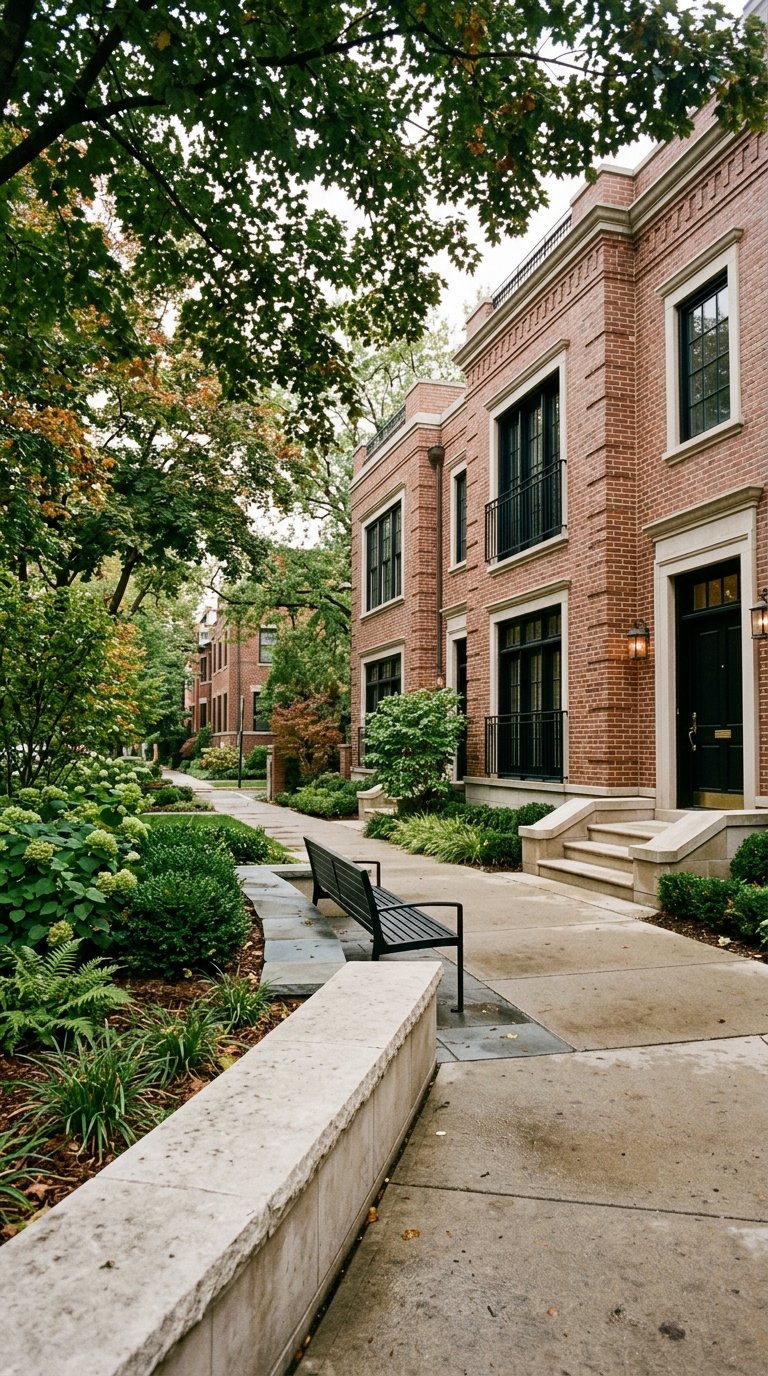
For many buyers, that translates into a recognizable Chicago residential character. You are often seeing vintage walk-ups, multifamily buildings, and blocks that feel architecturally layered instead of uniform.
Courtyard Buildings Add Texture
Andersonville’s residential identity also connects to Chicago’s courtyard-building tradition. The Edgewater Historical Society notes that courtyard apartments expanded as three-story walk-ups in the 1910s and 1920s, with examples in West Andersonville.
These buildings help give parts of the neighborhood a softer streetscape. They create depth between the sidewalk and the front entrance and add a sense of pattern that many buyers associate with classic North Side architecture.
From a market perspective, that architectural texture matters. It is part of what makes one block feel visually richer than another, even when the scale remains modest.
Old and New Exist Together
Andersonville is not frozen in time. A Preservation Chicago micro-analysis in West Winnemac highlights a 1909 three-unit building, a circa 1966 five-unit building, and a 2018 condominium building side by side.
That kind of block-by-block layering is important if you are considering value, design preferences, or long-term fit. In Andersonville, you may find older multifamily buildings and newer infill existing within the same visual conversation.
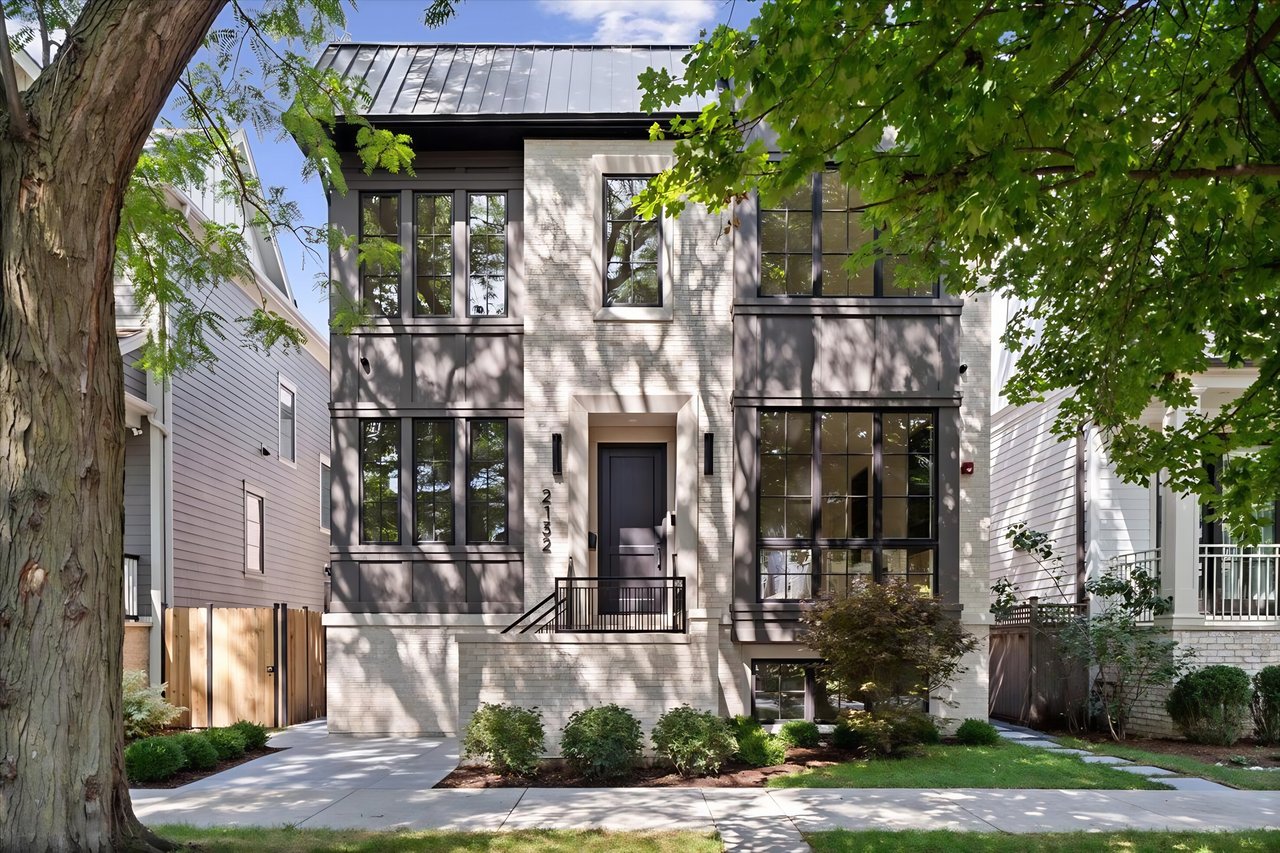
The result is a neighborhood that feels established but still evolving. For buyers and sellers alike, that often creates a more nuanced market story than you would get in an area dominated by one housing era or one building type.
What This Means for Buyers and Sellers
If you are buying in Andersonville, the neighborhood’s appeal is often less about one headline feature and more about how several elements work together. Clark Street provides identity and daily convenience, transit expands access, and the parks and streetscape soften the urban setting.
If you are selling, those same qualities shape how your home is understood by the market. Buyers are often evaluating not only the home itself, but also the surrounding block pattern, walkability, park access, transit options, and the character of the commercial corridor.
That is why local context matters. In a neighborhood like Andersonville, the value conversation is closely tied to street experience, building type, and how the area functions day to day.
Andersonville stands out because it feels coherent. Its main street, side streets, public spaces, and vintage housing stock all support a neighborhood experience that is distinctly North Side Chicago and easy to understand once you know what to look for.
If you are thinking about buying or selling in Andersonville or elsewhere on the North Side, working with a team that understands how block-by-block context affects value can make all the difference. Meridian Chicago offers thoughtful, high-touch guidance rooted in neighborhood knowledge and strategic advice.
FAQs
What street is the center of Andersonville?
- Clark Street is the neighborhood’s main spine, with the core commercial district generally running from Ainslie to Victoria.
What parks serve the Andersonville area?
- Andersonville Park is a small pocket park on Ashland, while Winnemac Park is the larger nearby green space with recreation areas, a fieldhouse, and natural habitat.
What public transit serves Andersonville in Chicago?
- CTA Route 22 Clark, Route 92 Foster, and the accessible Berwyn and Bryn Mawr Red Line stations help connect Andersonville to the rest of the North Side and the city.
What types of homes are common in Andersonville?
- The neighborhood is known for low-rise multifamily housing such as two-flats, three-flats, six-flats, courtyard buildings, and some larger apartment buildings, along with occasional newer infill.
What makes Andersonville feel walkable?
- Its compact Clark Street commercial core, adjoining side streets, maintained sidewalks, planters, transit access, and distributed public spaces all contribute to a walkable neighborhood pattern.
What events shape Andersonville throughout the year?
- The neighborhood hosts the Andersonville Farmers Market and seasonal events such as Vintage Market, Sidewalk Sale, Taste of Andersonville, Arts Weekend, Fall Wine Walk, and holiday programming.