If you want a Chicago neighborhood where daily life can feel both energetic and easy, Lake View is hard to ignore. You may be looking for a place where errands, commuting, dining out, and lakefront time all fit into the same routine without much planning. That is what makes Lake View stand out, and this guide will help you picture what everyday living here really looks like. Let’s dive in.
What Lake View Feels Like Day to Day
Lake View is one of Chicago’s larger and denser North Side community areas, with an estimated 101,163 residents and 56,766 households according to CMAP’s July 2025 snapshot. The same data shows a median age of 32.2, with 45.6% of residents between 20 and 34 and 50.8% of households made up of one person. In practical terms, that points to a neighborhood shaped by apartment living, active sidewalks, and a steady daily rhythm.
It is also helpful to remember that Lake View does not feel exactly the same from block to block. The Lakeview East Chamber notes that its district covers only the eastern portion of the broader community area, from Diversey Parkway north to Irving Park Road and from the lake west to Racine Avenue. If you are considering a move here, that means your experience can shift noticeably depending on how close you are to the lakefront, transit, or busier retail corridors.
A useful way to think about Lake View is through its main station areas and commercial streets. Belmont functions as a major transfer point, Southport has a retail-residential feel, Sheridan serves the lakefront side, and Addison connects closely to the Wrigley Field area. For buyers, renters, and sellers alike, that block-level nuance matters.
Getting Around Lake View
One of Lake View’s biggest everyday advantages is that you do not need to organize your life around a car. CMAP reports that 40.4% of Lake View households have no vehicle available. The same snapshot shows 32.3% of workers commute by transit, 6.6% walk or bike, and 34.0% work from home.
That data supports what many residents experience firsthand: car ownership can be optional here rather than essential. If your routine includes commuting downtown, meeting friends nearby, or running errands on foot, Lake View is set up to support that kind of flexibility. It is a strong fit for buyers who value convenience and a more connected urban lifestyle.
CTA Trains and Key Stops
The CTA Brown Line runs daily from Kimball to downtown and stops at Southport, Paulina, Belmont, Wellington, Diversey, and Fullerton. The Red Line operates 24 hours between Howard and 95th/Dan Ryan and serves Sheridan, Addison, Belmont, and Fullerton. Belmont also connects to Purple Line Express service during rush periods.
For everyday use, those lines create options rather than a single route in and out. That can be especially helpful if you are balancing office days, social plans, and quick trips across the North Side. In a neighborhood like Lake View, transit access is part of how people choose where to live.
Bus Service Adds Flexibility
According to Lakeview East Chamber, CTA bus routes serving the area include the 76 Diversey, 77 Belmont, 152 Addison, 36 Broadway, 22 Clark, 8 Halsted, 151 Sheridan, 156 LaSalle, and 146 Marine Michigan Express. The chamber notes that buses run about every 20 minutes daily, with some routes operating 24 hours.
That kind of bus coverage helps fill in the gaps between train stops and daily destinations. Whether you are heading to the lakefront, moving east-west across the neighborhood, or connecting to another part of the city, buses add another layer of convenience. For many residents, that is part of what makes Lake View feel practical, not just lively.
Lakefront Access Shapes Daily Life
In some neighborhoods, parks and open space feel like occasional amenities. In Lake View, the lakefront can become part of your regular routine. That is a major quality-of-life feature if you want outdoor access close to home.
The Chicago Park District says the Lakefront Trail runs from Ardmore Avenue to 71st Street and was split in 2018 into an 18-mile bike trail and an 18.5-mile pedestrian trail. The park district also describes it as one of the busiest non-motorized trails in the United States, used for both commuting and recreation. If you live nearby, a morning walk, bike ride, or evening run can be a normal part of the week.
Belmont Harbor and Nearby Recreation
Belmont Harbor is located at 3600 North Recreation Drive and is one of 10 Chicago Park District harbors along 14 miles of Lake Michigan shoreline, operating from May 1 to October 31. For dog owners, the Belmont Harbor Dog Friendly Area sits at Belmont and Lake Shore Drive.
These details matter because they make the lakefront feel usable, not distant. You are not looking at outdoor space as a special trip you take once in a while. In Lake View, it can be part of how you start your morning, break up a workday, or unwind at the end of the week.
Dining, Shopping, and Street Life
Lake View is also known for having a strong day-to-night rhythm. The Lakeview East Chamber describes Broadway, Halsted, and Clark as corridors packed with shops, cafés, and attractions within easy strolling distance. Its visitor resources also point to independent boutiques, vintage stores, specialty shops, restaurants, cocktail lounges, bakeries, and bars.
For you as a buyer or future resident, that means daily convenience often comes with variety. It is easier to imagine grabbing coffee, meeting friends for dinner, picking up essentials, and spending time out without needing to drive from place to place. The neighborhood supports a more walkable routine because so much activity is concentrated along repeat-use streets.
The chamber also maintains separate guides for dining, cafés, retail, entertainment, beauty, and neighborhood resources. That level of organization reinforces how much local life is built around nearby options. In real estate terms, this is part of what gives Lake View its staying power with people who want both activity and convenience.
Housing Style and What Buyers Should Expect
Lake View’s housing mix reflects its density, age, and long history as a built-up Chicago neighborhood. CMAP reports that 31.1% of land use is multi-family residential, compared with 12.0% single-family residential, 6.3% commercial, and 8.9% open space. The median year built is 1962, and 35.3% of housing was built before 1940.
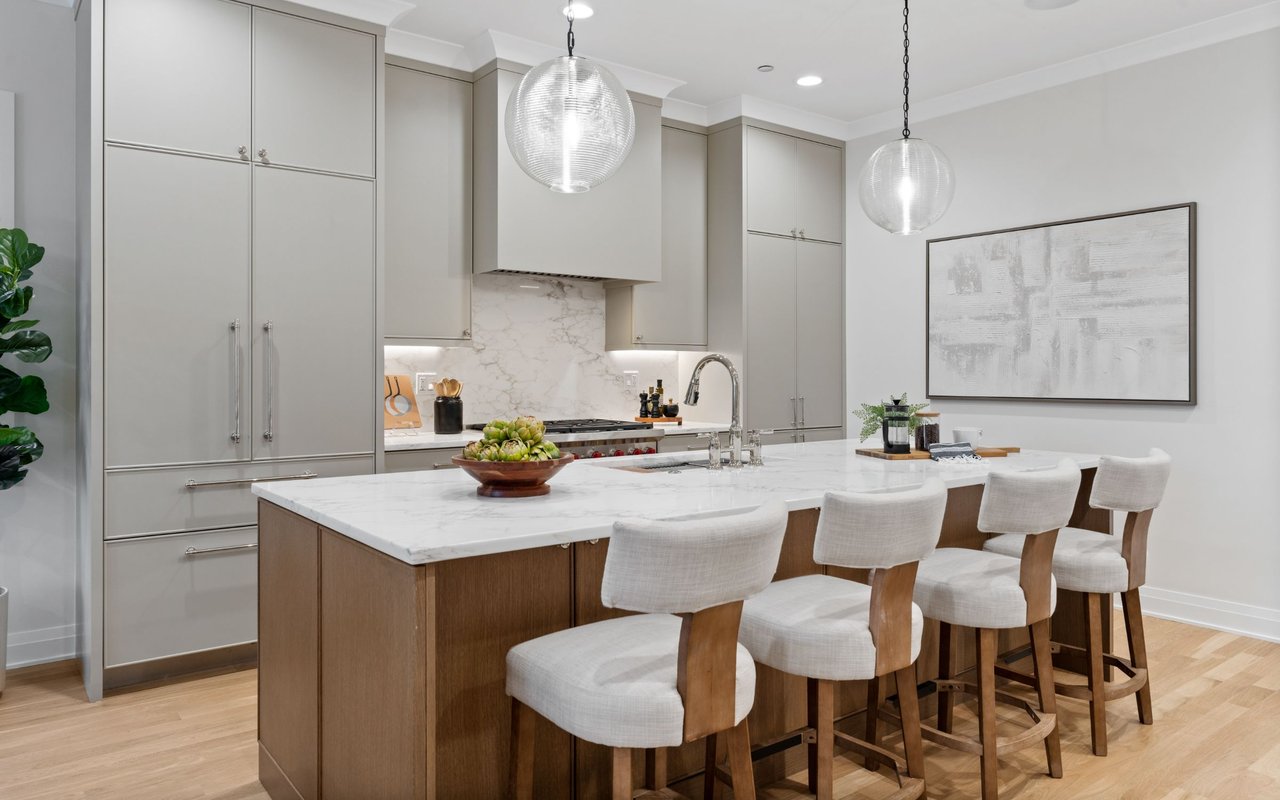
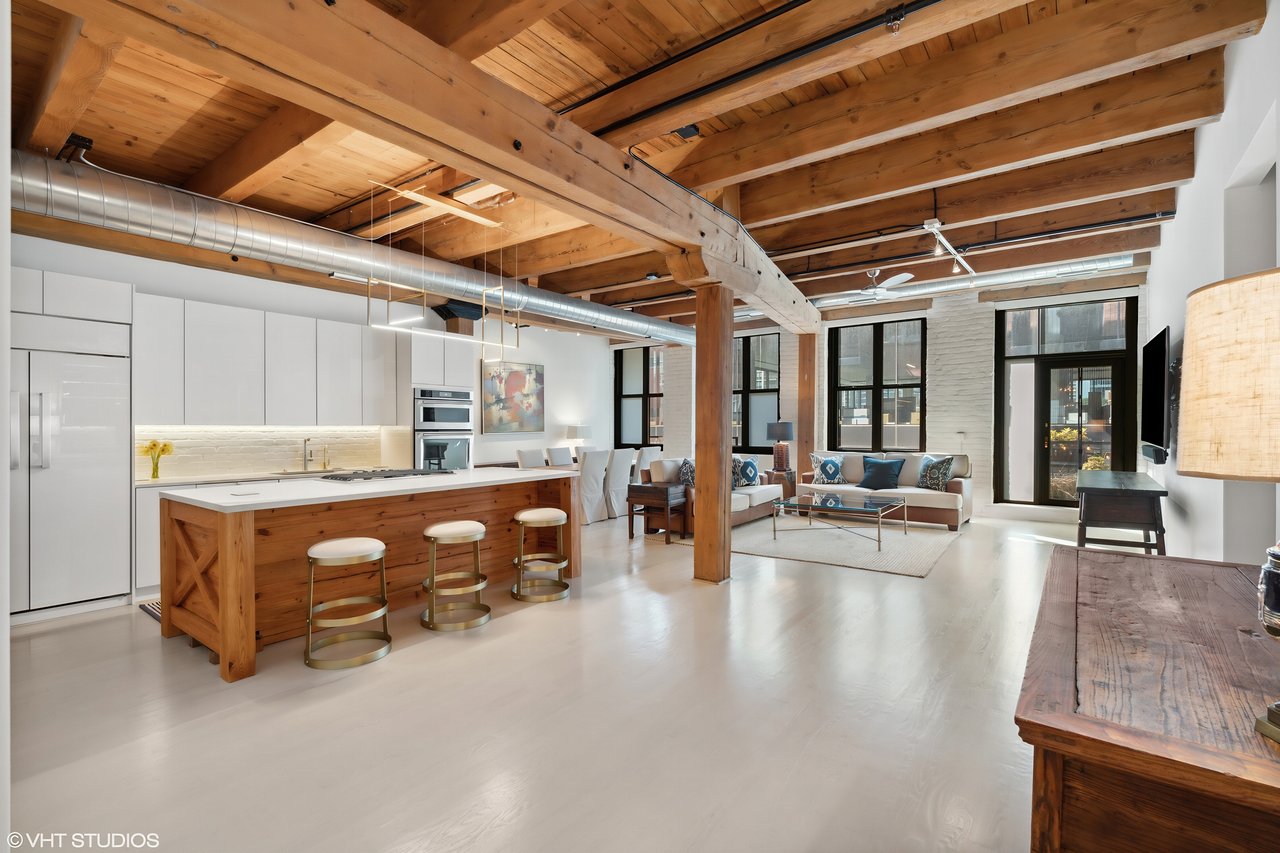
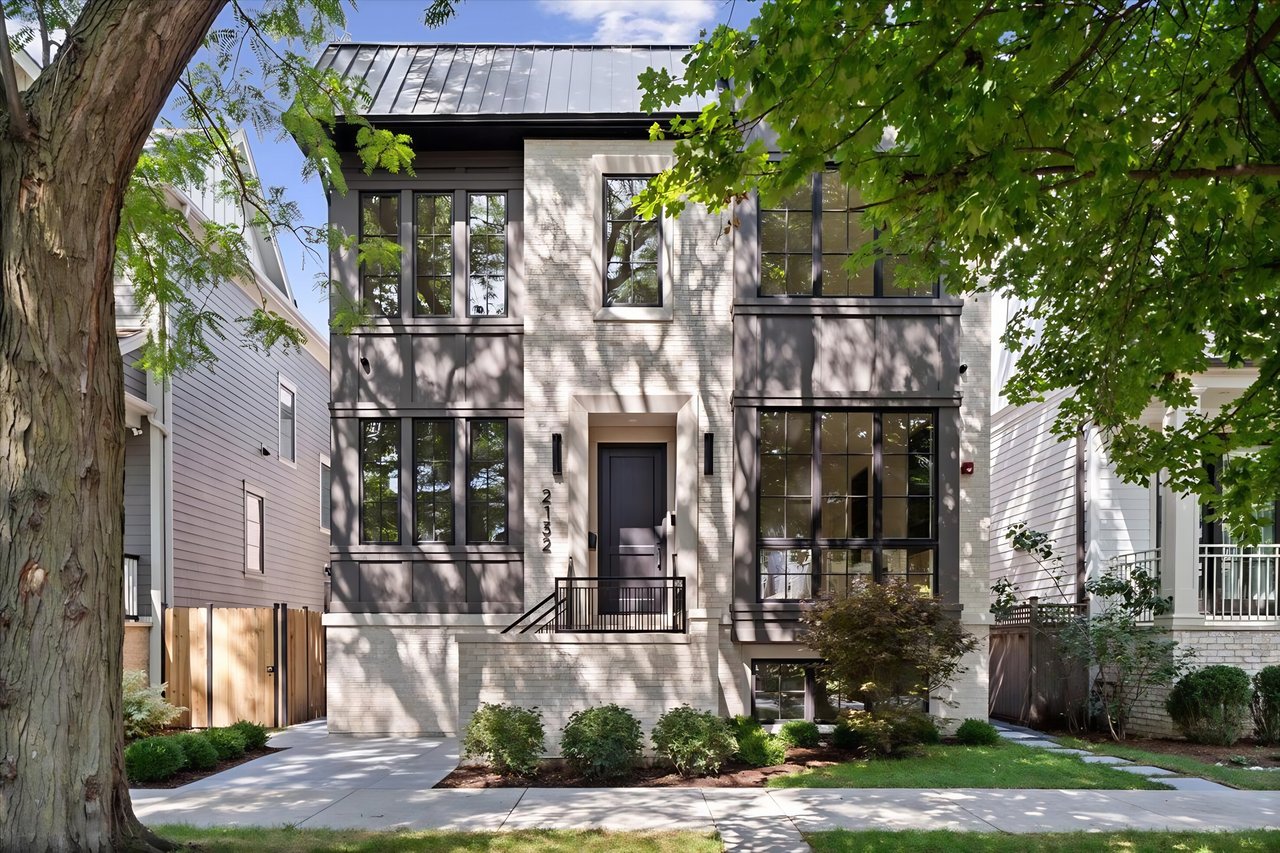
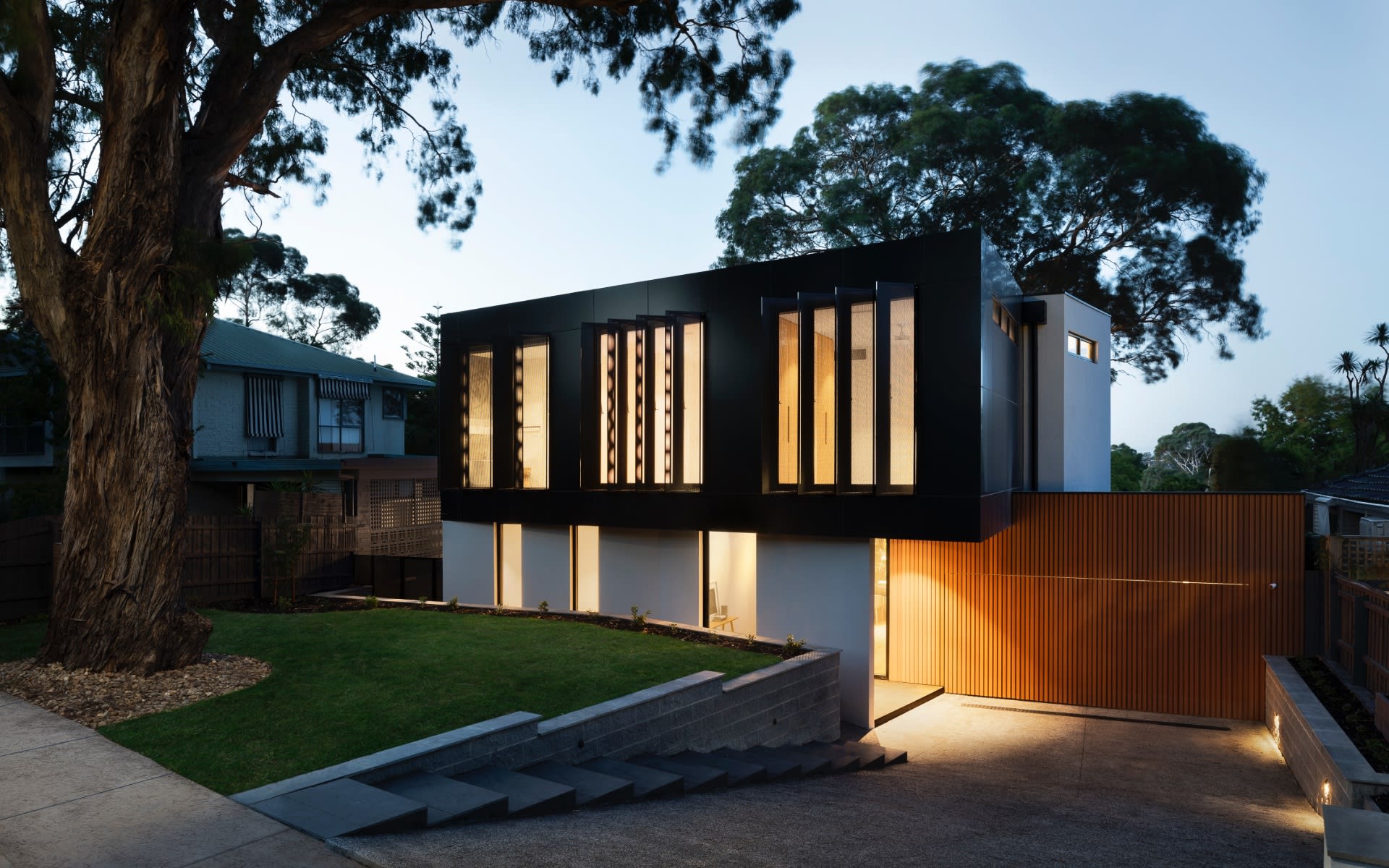
That combination points to a housing stock with strong vintage roots and later infill layered in over time. If you are searching here, you are likely to see a mix of older walk-ups, courtyard buildings, condos, apartment buildings, and select single-family homes. The neighborhood offers architectural variety, but that also means each property should be evaluated carefully for layout, condition, and location.
Vintage Character and Urban Housing Mix
The City of Chicago describes the Surf-Pine Grove historic district in Lake View as a visually distinctive collection of single-family houses and apartment buildings, including row houses, courtyard apartment buildings, tall apartment buildings, and apartment hotels dating from the late 19th century through the 1930s. That description helps explain why parts of Lake View feel so layered and visually interesting.
For buyers, this can be appealing if you value character and established streetscapes. At the same time, older buildings often call for closer attention to maintenance, updates, and building systems. This is where local guidance can make a real difference.
Ownership Patterns in Lake View
CMAP reports that 63.0% of Lake View housing is renter-occupied and 37.4% is owner-occupied, with a median household income of $104,135. Based on that housing composition, many buyers entering the neighborhood will spend more time comparing condos, walk-ups, and multi-unit buildings than detached homes.
In practice, your decision may come down to a few very specific tradeoffs. You may be weighing transit access against lake proximity, vintage detail against newer finishes, or a quieter block against immediate access to retail and restaurants. In Lake View, small location differences can have a big impact on how a home lives day to day.
Why Lake View Appeals to So Many Buyers
Lake View works for a wide range of lifestyles because it combines access, activity, and housing variety in a way that feels distinctly Chicago. You can build a routine here around transit, walking, and neighborhood conveniences rather than long drives and rigid planning. For many buyers, that balance is the main draw.
It also helps that the neighborhood offers different experiences within the same broader area. Some blocks feel closely tied to the lakefront, others to retail corridors, and others to transit-rich residential pockets. If you are thoughtful about where you focus your search, Lake View can offer a highly tailored fit.
From a real estate perspective, that is where neighborhood fluency matters. Understanding the difference between one corridor and the next, or one building type and another, can help you make a more confident choice and avoid costly assumptions.
If you are considering a move to Lake View, the right guidance can help you narrow in on the blocks, buildings, and lifestyle tradeoffs that fit you best. For tailored insight on Lake View and other North Side neighborhoods, connect with Meridian Chicago.
FAQs
What is everyday transportation like in Lake View Chicago?
- Lake View offers strong CTA access through the Brown Line, Red Line, and several bus routes, and CMAP reports that 40.4% of households have no vehicle available.
What makes Lake View Chicago feel walkable?
- Broadway, Halsted, and Clark concentrate shops, cafés, restaurants, and other daily destinations within easy strolling distance, according to Lakeview East Chamber.
What kind of housing is common in Lake View Chicago?
- Multi-family housing plays a major role in Lake View, with CMAP reporting 31.1% of land use as multi-family residential and a housing stock that includes many condos, walk-ups, and apartment buildings.
Is the lakefront easy to use from Lake View Chicago?
- Yes. The Lakefront Trail and Belmont Harbor help make outdoor time part of regular daily life, not just a weekend activity.
What should home buyers pay attention to in Lake View Chicago?
- Buyers often compare building condition, layout, transit access, and distance to the lakefront or major corridors because block-to-block differences can shape everyday living in a meaningful way.