Wondering what it really takes to buy a luxury condo in West Loop with confidence? When you are looking at high-end condos in one of Chicago’s most active urban neighborhoods, the finishes and views are only part of the story. The real edge comes from knowing how to evaluate the building, the documents, and the contract details before you commit. Let’s dive in.
Why West Loop Draws Luxury Buyers
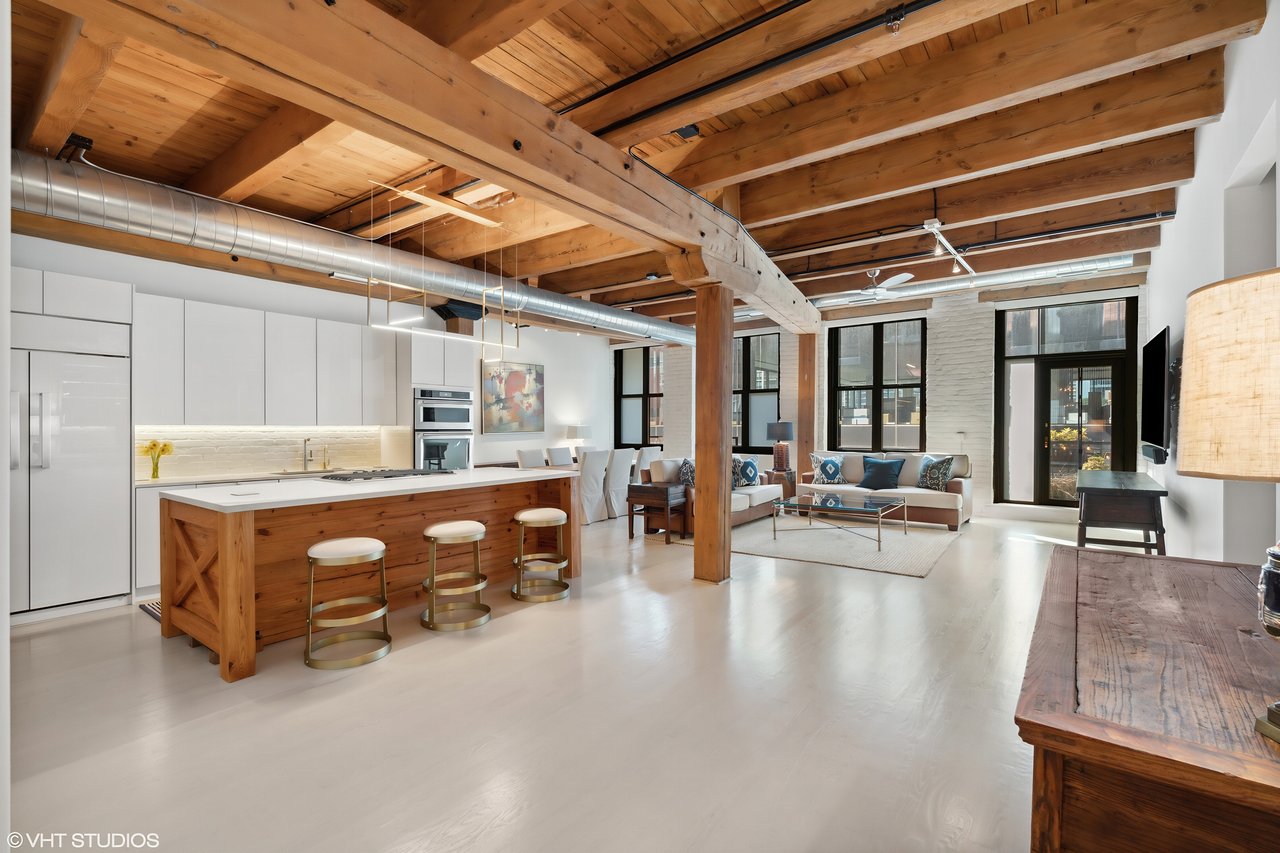
West Loop has evolved from a former industrial and wholesale-food district into one of Chicago’s most recognized residential areas, known for warehouse conversions, newer high-rises, Restaurant Row, and its connection to nearby Fulton Market. That mix gives buyers a wide range of luxury condo options, from loft-style homes in adaptive-reuse buildings to newer full-amenity towers.
The market backdrop also helps explain why buyers stay focused here. Spring 2026 snapshots show a firm neighborhood market, with Redfin reporting a median sale price of $499,000 and Realtor.com reporting a median listing price of $487,450, a median sold price of $460,000, 185 homes for sale, a median of 25 days on market, and a 101% sales-to-list ratio as of April 2026. Since those are neighborhood-wide figures, luxury condo pricing will often sit well above the median.
Luxury Condo Buying Starts With the Building
In West Loop, the building matters just as much as the unit itself. A beautiful kitchen or dramatic skyline exposure can be appealing, but long-term value also depends on how the association is run, how the building is maintained, and whether future costs are being planned for responsibly.
Under the Illinois Condominium Property Act, condo boards must prepare and distribute a detailed annual budget and provide reasonable reserves for capital expenditures and deferred maintenance, unless reserve requirements are properly waived under the condominium instruments by a two-thirds vote. The law also addresses annual accounting, budget notices, and when separate assessments may be used for emergencies or legally required work.
That means your due diligence should go beyond the listing sheet. In a luxury building, you want to understand not only what the monthly assessment is today, but also whether the association appears prepared for major repairs, replacements, and building-wide obligations.
Key Building Questions to Ask
Before you move forward, ask for clarity on:
- Current monthly assessments
- Reserve balance and any reserve study
- Recent annual budgets and accounting statements
- Current or proposed special assessments
- Insurance coverage and deductibles
- Pending litigation or judgments involving the association
- Rental rules and pet rules
- Building management structure and recent board activity
These are not minor details. In many cases, they shape your monthly cost, your ownership experience, and your risk more than the in-unit finishes do.
Understand the Resale Disclosure Package
In an Illinois condo resale, the disclosure package is a major part of the transaction. It is not just routine paperwork. It is one of your best tools for understanding the health and obligations of the association before closing.
Under Illinois law, a seller must make available a wide range of association materials to a prospective purchaser. That includes the declaration, bylaws, rules, information on liens and unpaid assessments, anticipated capital expenditures for the current and next two fiscal years, reserve fund status, the association’s most recent financial statement, pending suits or judgments, insurance coverage, and contact information for the principal officer or designated agent.
For luxury buyers, this review is essential. If a building has significant deferred maintenance, upcoming capital projects, or legal issues, those facts may show up here long before they become obvious from a showing.
Documents Worth Reviewing Closely
Pay especially close attention to:
- Reserve fund status
- Anticipated capital expenditures
- Most recent financial condition statement
- Insurance details
- Pending lawsuits or judgments
- Statements about unpaid assessments or liens
- Rules that affect use of the unit or common elements
If the building has a more complex amenity package, larger shared systems, or a recent conversion history, the document review becomes even more important.
Board Records Can Reveal More Than Marketing Materials
Illinois also gives association members the right to inspect a broad set of records, including board minutes for the prior seven years, insurance policies, contracts and leases, books and records for the current and 10 preceding fiscal years, and any reserve study, generally within 10 business days after a written request that identifies the records sought.
In practical terms, board minutes can offer useful context about building operations. They may reveal recurring maintenance issues, discussions around major repairs, concerns tied to vendors, or signs that a special assessment may be under discussion. For a luxury condo purchase, those signals matter.
This is one reason a neighborhood-savvy advisor can be so valuable. Reading condo documents is one thing. Knowing which details deserve a second look is something else.
Parking and Storage Need Special Attention
In Chicago condo transactions, parking and storage are not always as simple as they appear in marketing remarks. They may be deeded, assigned, or treated as limited common elements, and that distinction can affect what legally transfers with the unit.
You should confirm exactly what is included in the purchase and what portion of the monthly assessment covers those items. In a luxury West Loop building, parking and storage can carry real value, so it is worth verifying the structure early rather than assuming it will sort itself out later.
Contract Deadlines Matter in Condo Deals
The current Chicago Association of REALTORS condominium contract includes several timelines that can directly affect your leverage and your protections. These typically include earnest money, a mortgage contingency, an attorney-approval period, an inspection period, and condo document review terms.
The condo-specific rider ties the transaction to the delivery and buyer approval of the condo document package. If you disapprove of the documents before the deadline, the contract can be terminated and earnest money returned. That makes timing and review discipline especially important.
Core Contingencies to Track
In a typical condo purchase, pay close attention to:
- Attorney review period
- Inspection period
- Mortgage contingency deadline
- Condo document delivery and approval deadline
- Earnest money timing
- Any negotiated closing-cost credit terms
These dates should work together in a logical sequence. Missing a deadline can reduce your options, even if the concern you uncover is legitimate.
Inspection Matters, But It Has Limits
A condo inspection remains important, even in a newer or high-end unit. The standard inspection language in the CAR contract points to visible and accessible major components such as heating and cooling, plumbing, roofs, walls, windows, ceilings, floors, appliances, and foundations.
But in a condo setting, some of those systems may be partly or largely controlled by the association. That means the inspection tells only part of the story. A clean inspection does not replace a careful review of the association’s budgets, reserves, insurance, and records.
The smartest approach is to think of inspection and document review as a pair. One helps you evaluate the unit you are buying, and the other helps you evaluate the building you are joining.
New Construction and Conversion Purchases Need Extra Care
West Loop luxury inventory can include new construction and conversion projects, and those purchases come with added layers of review. Under Chicago’s condominium ordinance, developers must provide a condominium disclosure summary with marketing materials and at open houses and showings, furnish it before the first sales contract is executed, and file it before the initial offering period.
The ordinance also states that a certificate of occupancy may be required before a buyer occupies the unit. If the building is a conversion, there can be added notice and disclosure requirements. These details make attorney review especially important when you are buying into a newly delivered building or a project converted from another use.
Illinois courts have also continued to recognize the implied warranty of habitability in new-home construction and review disclaimers carefully. If a builder presents waiver or disclaimer language, it should be reviewed closely by your attorney.
What Sophisticated Buyers Usually Verify
Luxury condo buyers in West Loop often focus on more than location and finish level. They also want to understand how the building functions on paper and in practice.
A thorough review usually includes:
- Whether reserves appear strong or thin
- Whether special assessments are pending or being discussed
- Whether the association appears well managed
- What insurance coverage and deductibles apply
- What rental and pet rules say
- Whether parking and storage are deeded, assigned, or limited common elements
- Whether any builder warranty or disclaimer needs deeper legal review
These questions are practical, not overly cautious. In a high-value condo purchase, they are part of buying carefully.
Why Local Guidance Makes a Difference
West Loop offers a distinctive mix of newer towers, loft conversions, and luxury condo buildings with very different ownership structures and operating histories. Two units at a similar price point can come with very different assessment profiles, reserve positions, rules, or future cost exposure.
That is where experienced local guidance can create real value. A strong advisor helps you compare buildings, not just square footage, and keeps the process moving in the right order so your attorney review, inspection, and condo document deadlines support your decision-making instead of rushing it.
If you are considering a luxury condo purchase in West Loop and want a more tailored, strategic approach, Meridian Chicago offers founder-led guidance shaped by deep Chicago market knowledge and a refined, hands-on process.
FAQs
What should you review before buying a luxury condo in West Loop?
- You should review the association’s budget, reserve fund status, annual accounting, anticipated capital expenditures, insurance coverage, pending litigation, rules, and any current or proposed special assessments.
Why do condo reserves matter in a West Loop luxury building?
- Reserve levels can signal how prepared the association is for capital repairs and deferred maintenance, which can affect future costs and the likelihood of special assessments.
What does the Illinois condo resale package include for West Loop buyers?
- It can include the declaration, bylaws, rules, unpaid assessment information, reserve fund status, anticipated capital expenditures, financial statements, insurance coverage, pending suits or judgments, and association contact information.
Should you inspect a luxury condo unit in West Loop?
- Yes. A physical inspection helps assess the unit’s visible and accessible components, but it should be paired with a careful review of building documents because many systems may be association-controlled.
What should you confirm about parking and storage in a Chicago condo purchase?
- You should confirm whether parking and storage are deeded, assigned, or limited common elements, and verify exactly what transfers with the unit and what the assessment covers.
What is different about buying new construction condos in West Loop?
- New construction purchases may involve developer disclosure summaries, occupancy-related requirements, and builder warranty or disclaimer language that deserves careful attorney review.