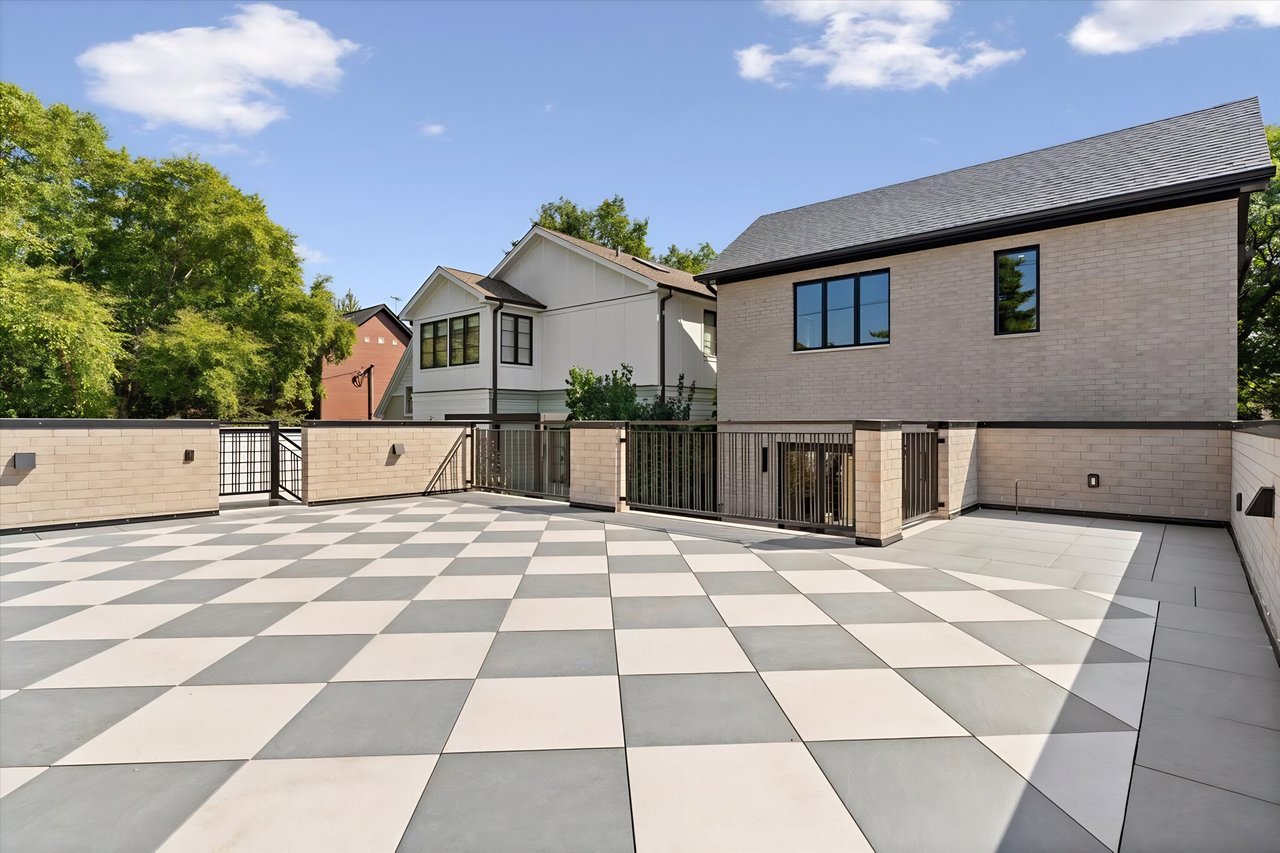
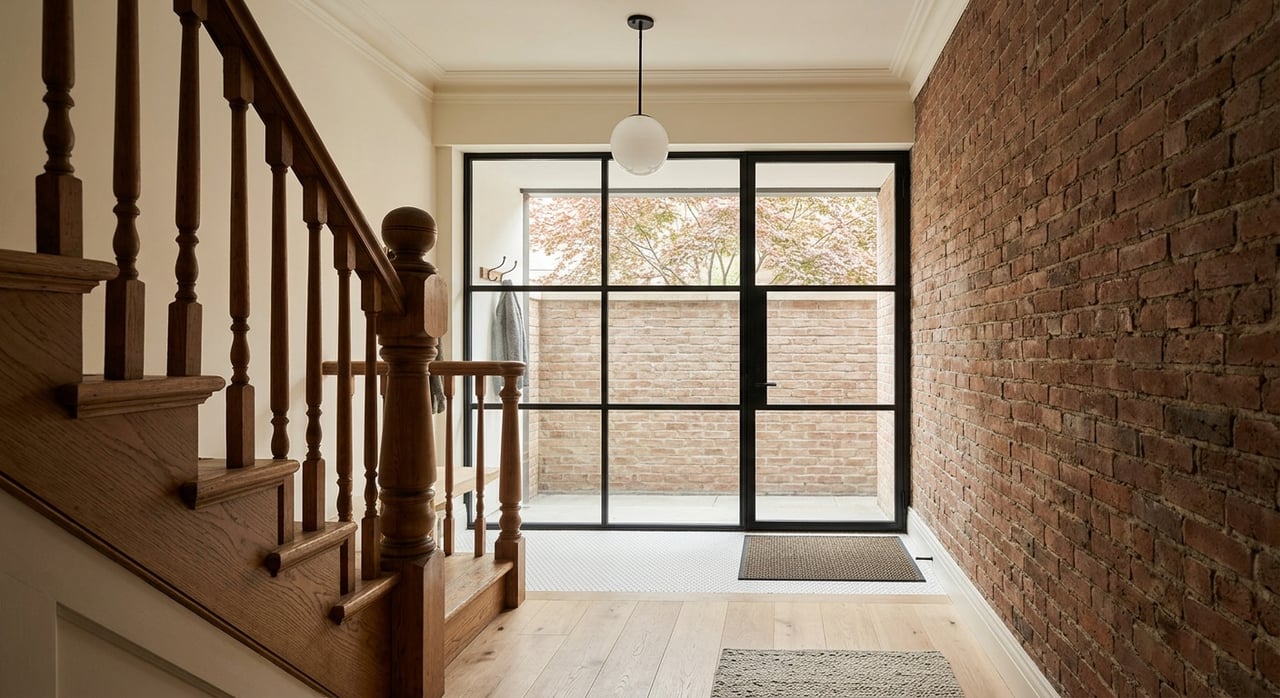
If you are torn between a polished new construction home and a character-filled vintage property in Lincoln Park, you are not alone. This neighborhood gives you a wider mix of housing choices than many buyers expect, and each option comes with real trade-offs. Understanding how Lincoln Park’s housing stock, architecture, and local landmark rules shape that decision can help you buy with more confidence. Let’s dive in.
Lincoln Park offers real variety
Lincoln Park is not a one-style neighborhood. According to the Chicago Metropolitan Agency for Planning snapshot, the area has 67,987 residents and 33,772 households, with an average household size of 1.9.
That data also shows how varied the housing stock is. About 61.6% of housing units are in buildings with five or more units, while 10.7% are detached single-family homes and 8.9% are attached single-family homes. In practical terms, your search may include condos, townhomes, rowhouses, two-flats, and single-family homes rather than one dominant home type.
Lincoln Park is also older than many buyers realize. About 34.0% of homes were built before 1940, while 8.8% were built in 2010 or later, and the median year built is 1970. That age spread is a big reason the choice between new construction and vintage feels especially meaningful here.
What new construction usually offers
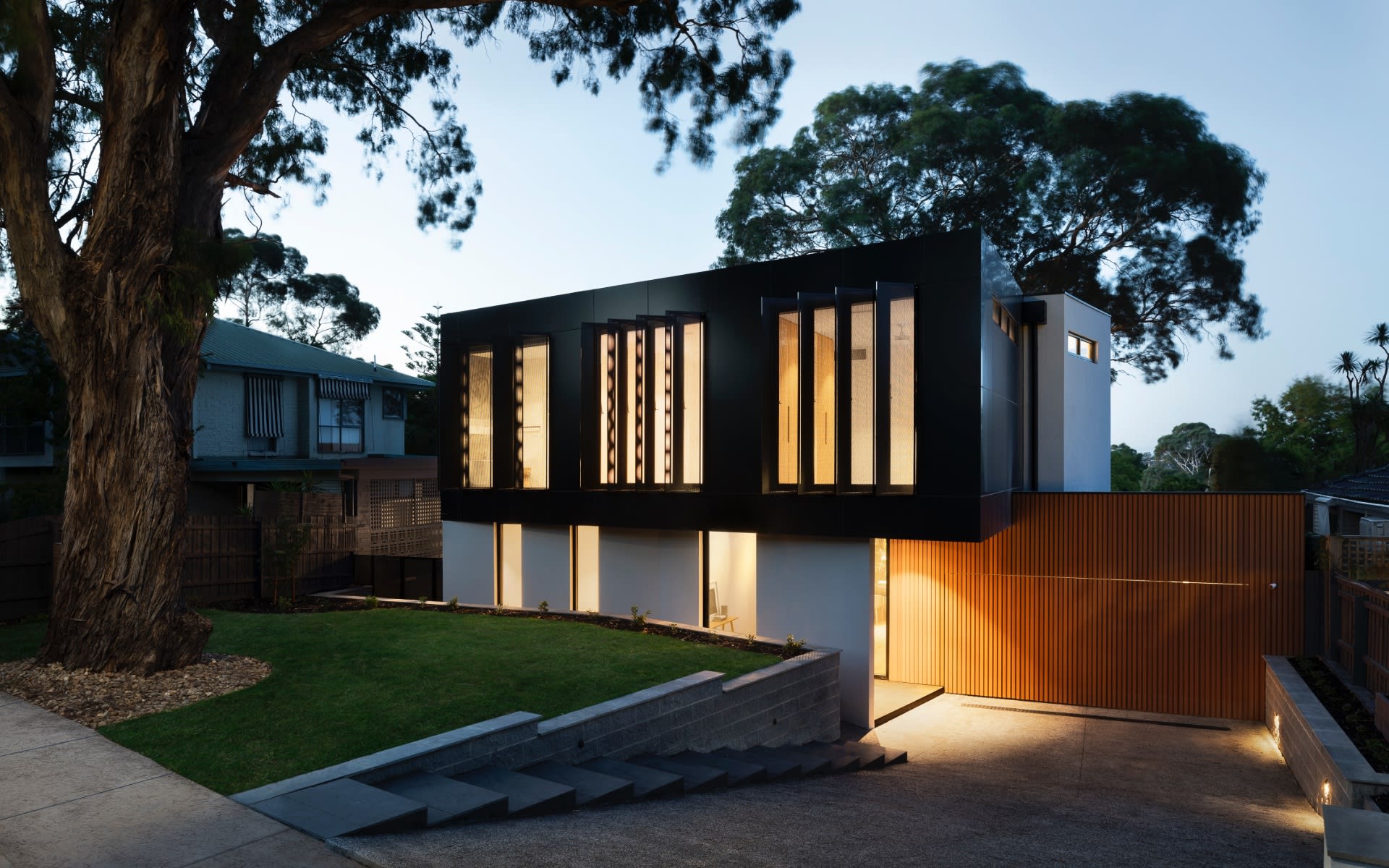
New construction often appeals to buyers who want a more predictable ownership experience. In many cases, the draw is not just the look of a modern home, but the systems behind the walls.
Homes certified by ENERGY STAR are built around a complete thermal enclosure system, efficient heating and cooling, efficient lighting and appliances, water-management details, and third-party inspections and testing. ENERGY STAR says certified homes deliver at least 10% savings on annual utility bills. For you, that can mean stronger baseline efficiency and fewer early repair surprises, though performance still depends on the builder and the quality of the project.
Modern layouts and daily function
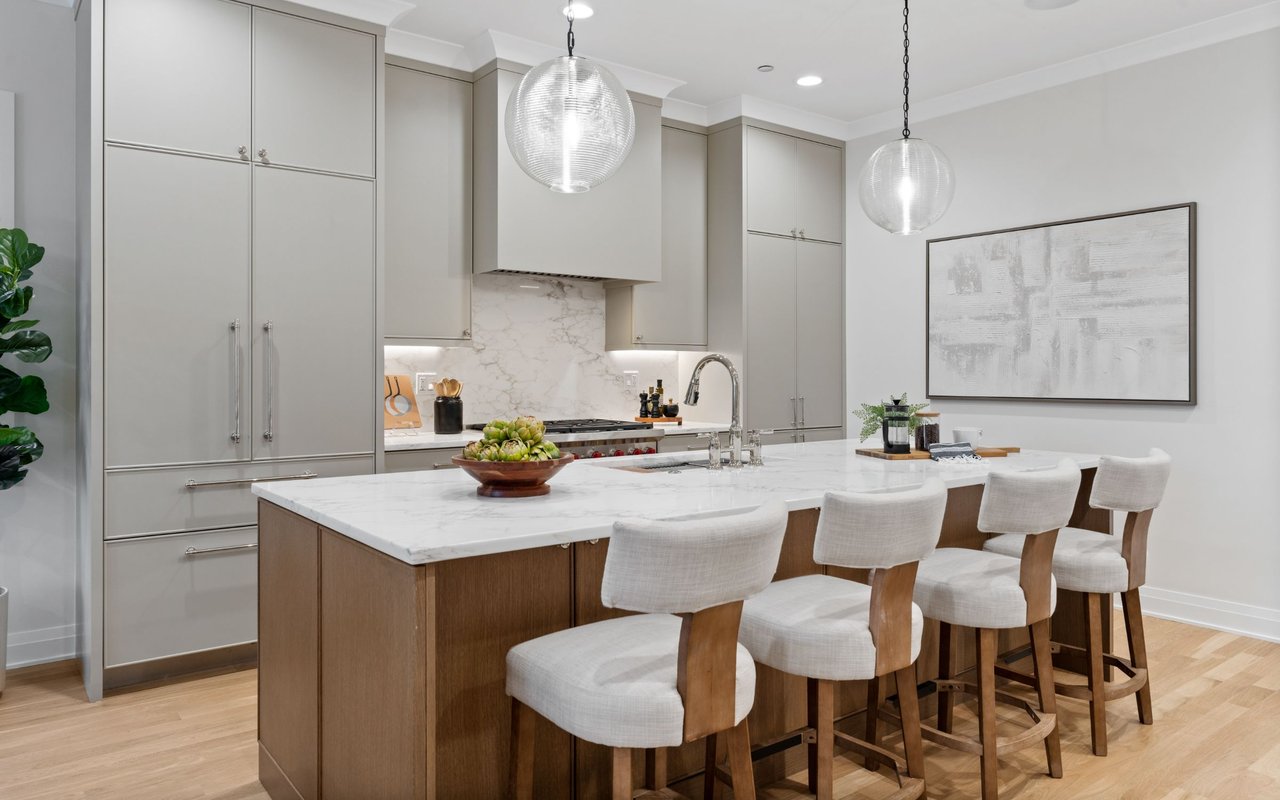
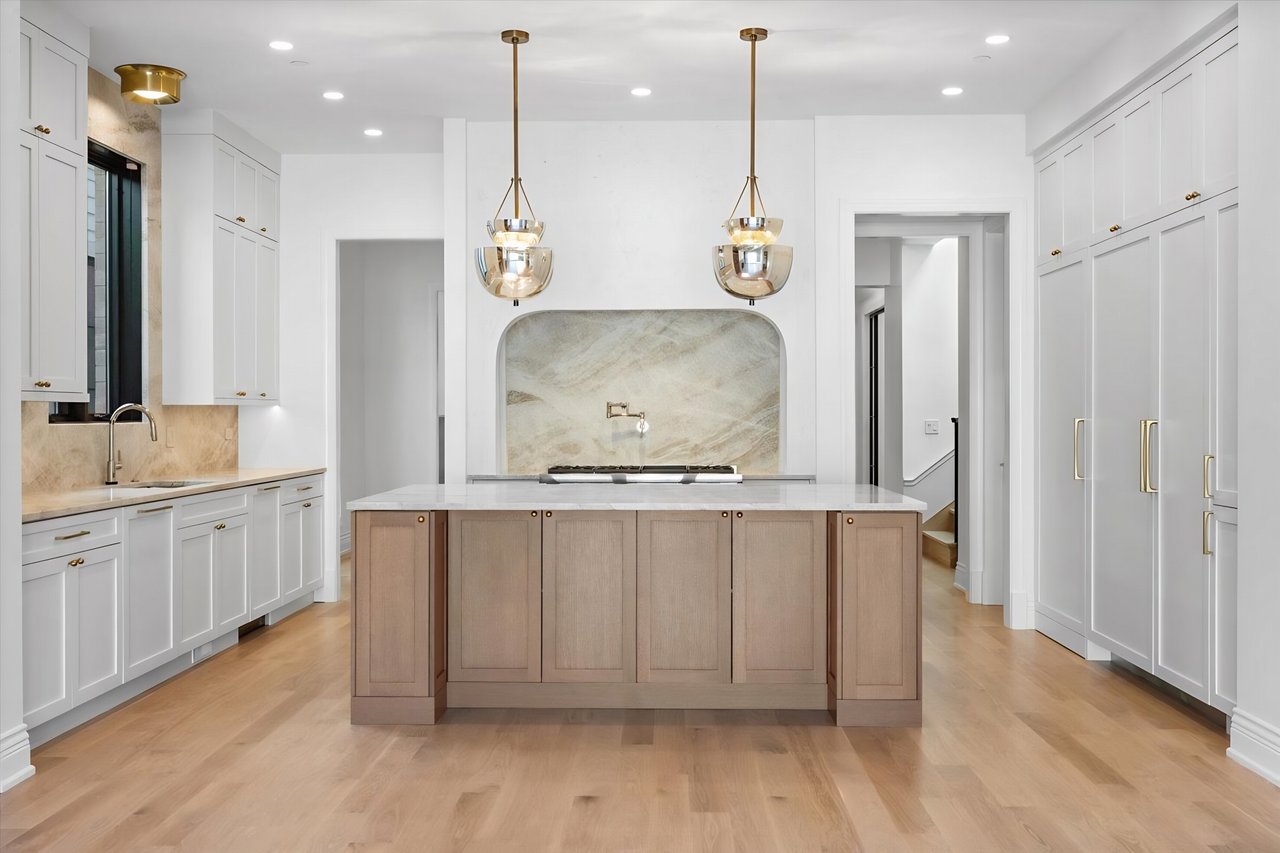
Another common benefit of new construction is layout. Contemporary homes often use more open floor plans, where cooking, dining, and living spaces flow together.
If you like a home that feels bright, connected, and easy for entertaining or everyday living, this can be a major advantage. Buyers who prefer turnkey living also tend to value the fact that finishes, mechanical systems, and appliances are usually newer from day one.
Lower near-term maintenance
New construction is often attractive because it may reduce near-term maintenance needs. While no home is maintenance-free, newer roofs, windows, plumbing, electrical systems, and HVAC components can make the first few years of ownership feel more straightforward.
That can be especially appealing if you want to focus on lifestyle and location rather than planning updates right away. In a neighborhood as busy and varied as Lincoln Park, that simplicity has real value for many buyers.
What vintage homes usually preserve
Vintage homes in Lincoln Park offer something that newer properties often cannot fully replicate. The appeal usually starts with architecture, but it extends to layout, materials, and the overall feel of the space.
The Chicago Architecture Center notes that late-19th-century homes often used pocket doors and room separation to create distinct private and public spaces. Courtyard buildings from the 1890s through the Great Depression were typically three- to four-story brick buildings arranged around shared garden courts. That means a vintage Lincoln Park home may feel more formal, more textured, and more room-by-room than a newer home.
Character comes in many forms
In Lincoln Park, “vintage” does not mean just one thing. The neighborhood includes a range of landmark districts that preserve different building types and streetscapes.
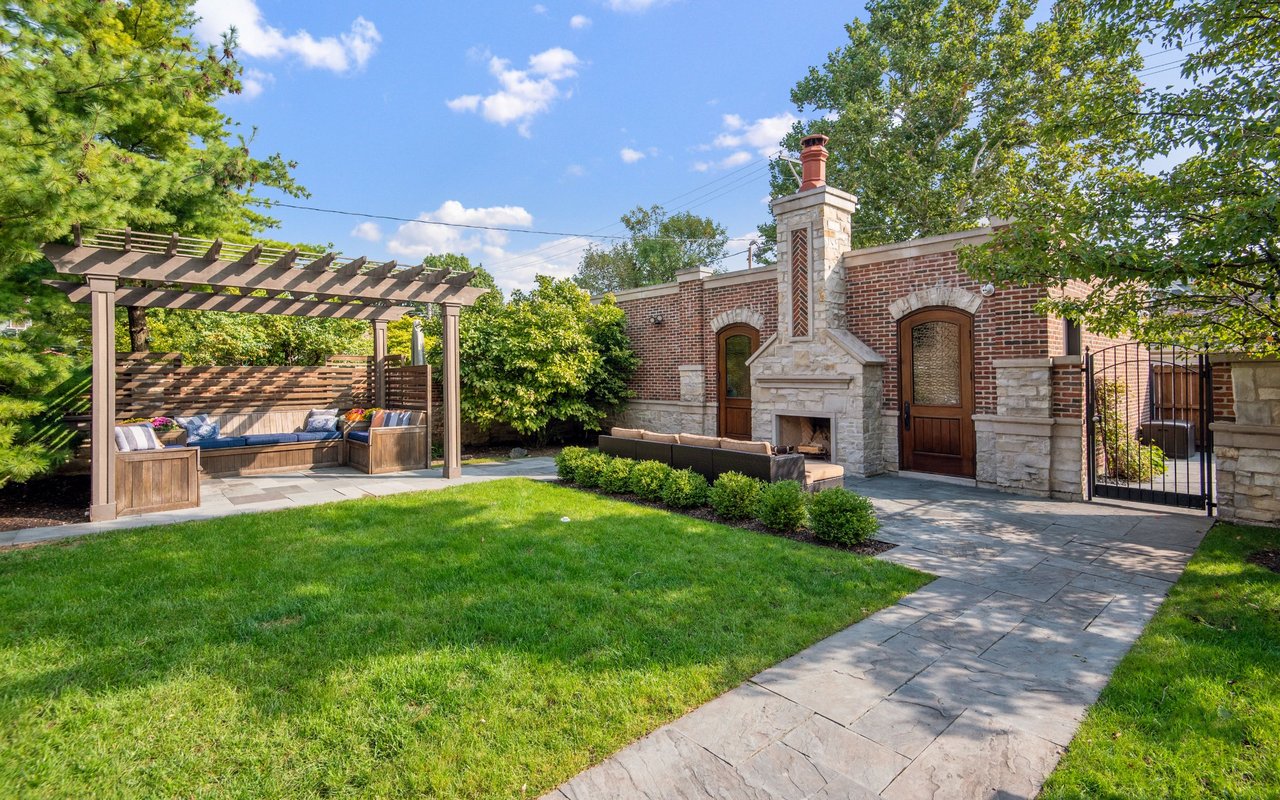
Old Town Triangle is known for brick and stone houses and rowhouses that followed the Great Fire. Arlington-Deming includes late-19th-century houses and 1920s apartment hotels. Bissell Street reflects a single development of three-, six-, and nine-flats, while Armitage-Halsted is recognized for its nineteenth-century commercial streetscape.
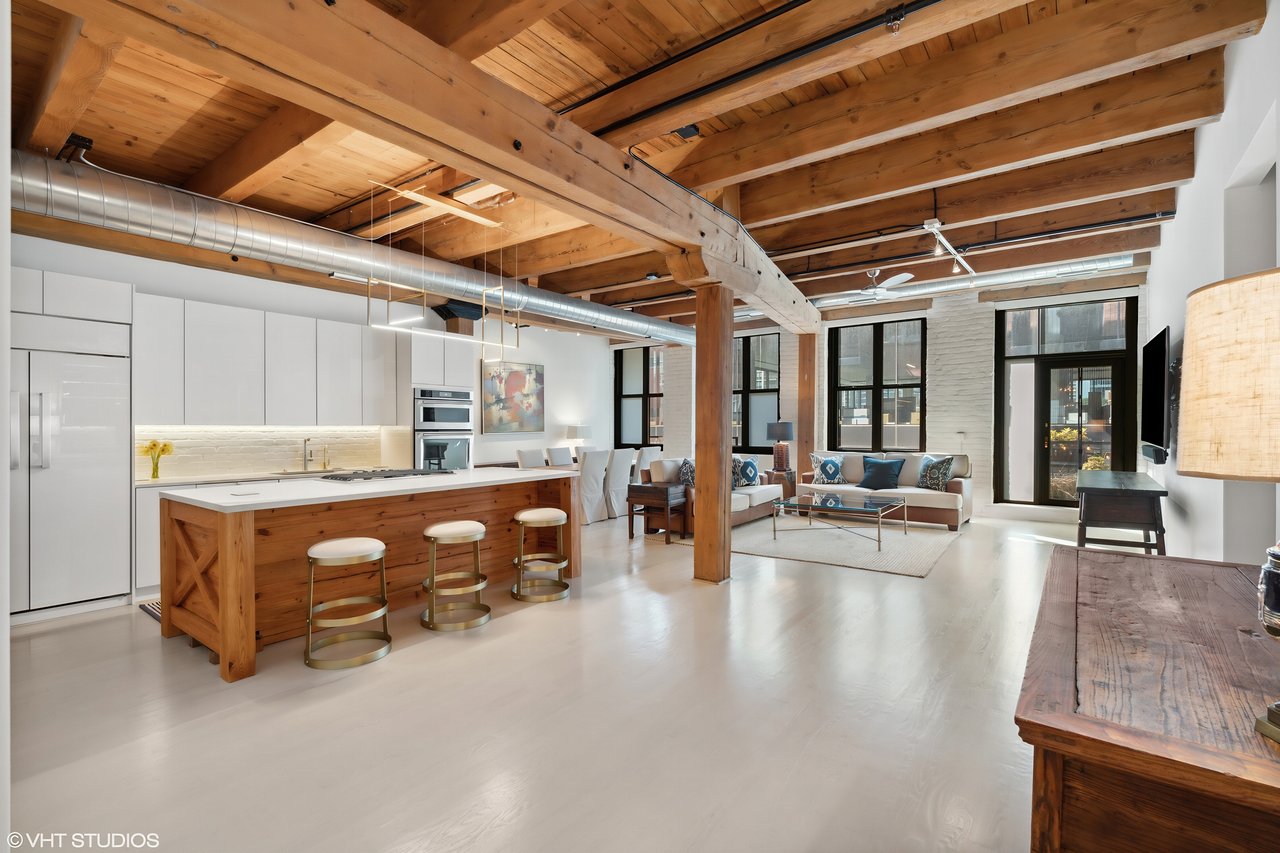
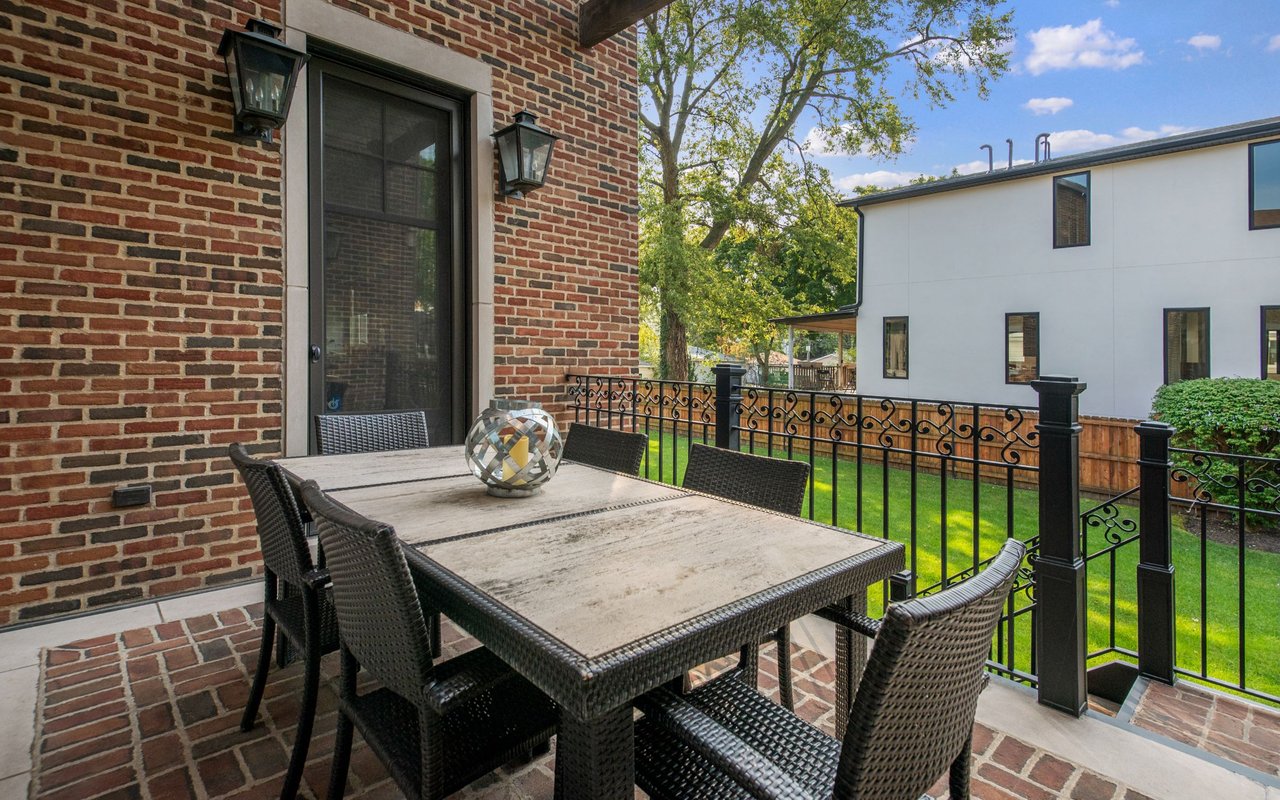
Because of that variety, a vintage home here could mean thicker masonry walls, exterior ornament, a classic Chicago floor plan, or details that feel more individual than a modern spec-built property. For many buyers, that uniqueness is the point.
The trade-off is usually systems and upkeep
The biggest trade-off with vintage homes is usually maintenance and modernization. Since 34% of Lincoln Park homes were built before 1940, older properties are more likely to vary in insulation, windows, masonry condition, electrical capacity, plumbing age, and other original components.
That does not mean an older home is a poor choice. It simply means two homes on the same block can perform very differently depending on how they were maintained or renovated over time.
ENERGY STAR says air sealing and insulating are among the most cost-effective efficiency upgrades, and the EPA estimates those improvements can reduce total energy costs by about 11% on average. So a vintage home can perform well, but buyers should not assume original construction will match modern efficiency standards without updates.
Landmark rules can affect both options
In Lincoln Park, new construction is not always a blank slate. Chicago landmark rules matter in many parts of the neighborhood, especially where historic districts shape the surrounding streetscape.
The city says work that requires permits in designated landmark districts is reviewed to protect significant historic or architectural features. In most districts, that review focuses on exterior elevations visible from the public right-of-way.
What that means for buyers
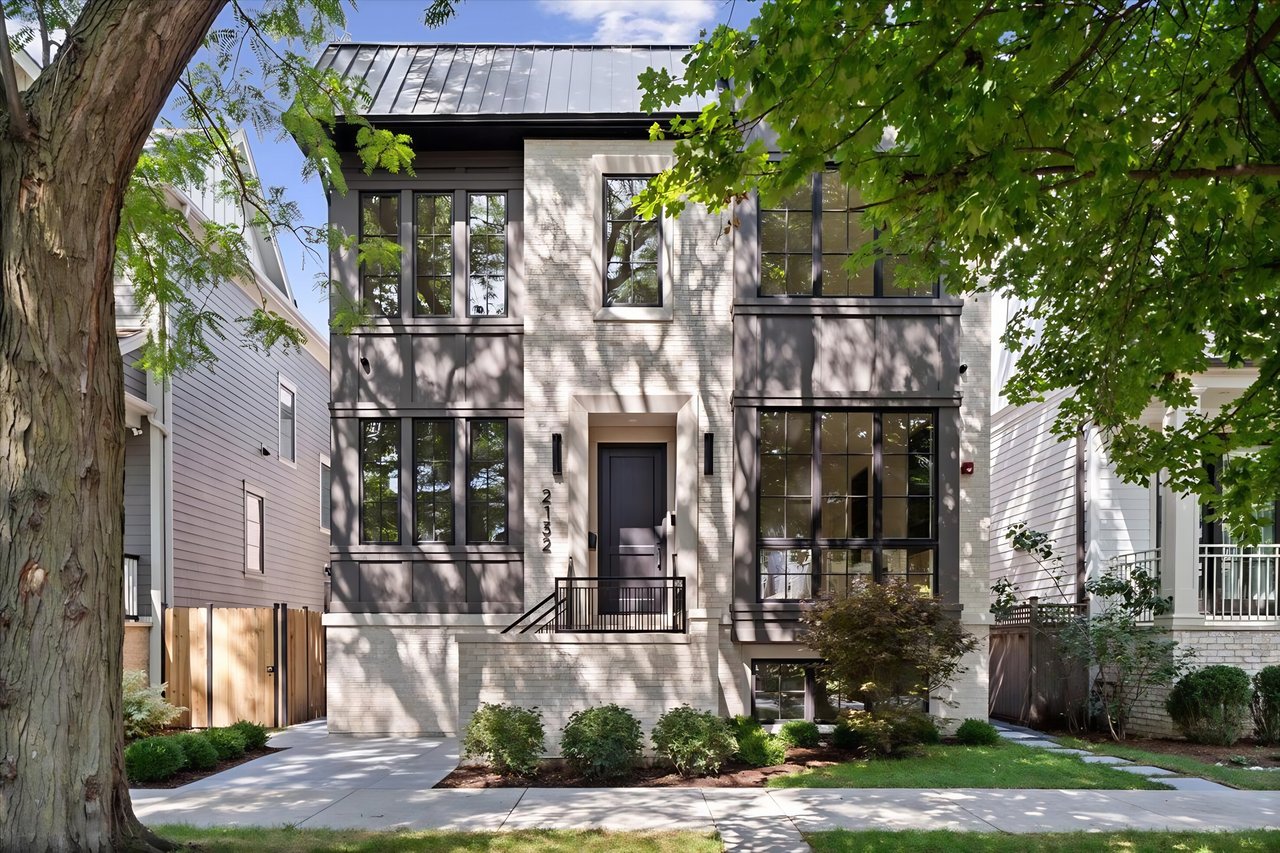
If you are buying a new home in or near a landmark district, the design may still be shaped by context, façade treatment, setbacks, and approval timelines. The Commission on Chicago Landmarks reviews permit applications for renovations and new construction, but it does not regulate zoning.
If you are buying vintage, landmark status may also matter if you hope to change exterior elements later. The key point is that landmark review mainly affects permitted exterior work, not the basic ability to buy, own, or enjoy the property.
The city also notes that landmark designation does not directly change property tax valuation or tax rates. For resale, the city says value depends on the individual property and location, and studies generally have not shown a negative impact on property values.
How to decide what fits you best
In Lincoln Park, this decision is usually less about which category is “better” and more about how you want to live. The right fit depends on your priorities, your timeline, and your tolerance for updates.
If you want modern systems, lower near-term maintenance, stronger baseline energy performance, and a floor plan designed for contemporary living, new construction may be the stronger match. If you care most about architecture, masonry character, period detail, and a more traditional room-by-room layout, vintage may feel more rewarding.
A simple side-by-side view
| Priority |
New Construction |
Vintage Home |
| Layout |
Often open and contemporary |
Often more separated and traditional |
| Systems |
Typically newer from the start |
Can vary based on age and updates |
| Maintenance |
Often lower in the near term |
May require more planning and upkeep |
| Efficiency |
Often stronger baseline performance |
Can improve significantly with renovations |
| Character |
Clean, modern, and consistent |
Rich detail, masonry, and individuality |
| Exterior changes |
May still be shaped by landmark context |
May be reviewed if in a landmark district |
Due diligence matters more than labels
A “new” home is not automatically perfect, and a “vintage” home is not automatically a project. In Lincoln Park, quality can vary widely within both categories.
That is why the smartest comparison usually happens at the property level. You want to look closely at the building type, floor plan, recent updates, exterior condition, mechanical systems, and whether landmark review could matter for future work.
For pre-1978 homes, lead paint should also be part of your due diligence. The EPA says homes built before 1978 are more likely to contain lead-based paint, and federal disclosure rules apply to most pre-1978 housing. That does not make an older home unsafe by definition, but it does make disclosures and renovation planning especially important.
The Lincoln Park lens matters
Lincoln Park is a mature urban neighborhood where housing spans pre-1940 masonry buildings, mid-century and late-century homes, and newer infill. That mix is part of what makes the area so appealing, but it also means broad assumptions can be misleading.
A great new construction condo and a beautifully updated vintage rowhouse can both be excellent choices. The better question is which one fits your daily life, design preferences, and comfort with future maintenance.
If you want a thoughtful, property-level view of Lincoln Park homes, Meridian Chicago offers the kind of neighborhood-specific guidance that helps you compare options with clarity and confidence.
FAQs
What types of homes are most common in Lincoln Park?
- Lincoln Park has a broad mix of housing, but 61.6% of units are in buildings with five or more units, so many buyers end up comparing condos, apartments, townhomes, and multi-unit buildings along with single-family homes.
Are vintage homes common in Lincoln Park?
- Yes. About 34.0% of homes in Lincoln Park were built before 1940, and the neighborhood includes several landmark districts with preserved historic buildings and streetscapes.
Do new construction homes in Lincoln Park usually have better energy performance?
- They often start with a stronger baseline because ENERGY STAR certified homes are designed with efficient systems, insulation, and testing, and they are expected to deliver at least 10% savings on annual utility bills.
Can a vintage Lincoln Park home be made more efficient?
- Yes. Air sealing and insulation are common first steps, and these upgrades can improve comfort and reduce energy costs.
Does landmark status stop changes to a Lincoln Park home?
- Not necessarily. In Chicago landmark districts, permitted work is reviewed mainly to protect significant exterior features visible from the public right-of-way, and the Commission does not regulate zoning.
Should buyers ask about lead paint in older Lincoln Park homes?
- Yes. Homes built before 1978 are more likely to contain lead-based paint, so disclosures and renovation planning should be part of your due diligence.