Are you looking at Avondale and wondering how to position a multifamily investment without overshooting the market? That is a smart question, because Avondale offers real rental depth, strong transit access, and a housing stock that is still shaped by older small-scale buildings. If you understand who rents here, what they are likely to value, and how site-specific rules can affect your plan, you can make better decisions from day one. Let’s dive in.
Why Avondale Stands Out
Avondale has a distinct housing profile within Chicago. It is a renter-heavy neighborhood, with 57.6% of households renter-occupied, compared with 54.5% across Chicago and 35.4% across the broader region. That gives multifamily investors a meaningful renter base to work with.
The area also has a clear physical character. Much of Avondale’s housing stock is older, and smaller buildings dominate the landscape. In 2023, 58.5% of housing units were in 2- to 4-unit structures, while only 1.7% were in buildings with 50 or more units.
That matters for positioning. In many cases, the strongest play in Avondale is not a trophy-style concept, but a project that feels aligned with the neighborhood’s scale and practical rental demand.
Avondale Renters Tell a Clear Story
If you want to position a multifamily investment well, you need to start with the renter profile. In Avondale, heads of household ages 25 to 44 make up 52.0% of households. That points to a market shaped by working-age adults, couples, and households still taking shape.
Household size adds more clarity. Among renter households, 32.4% are one-person households and 35.1% are two-person households. Another 15.0% are three-person households, and 17.5% are four-or-more-person households.
Taken together, that suggests a market where efficient one-bedroom and two-bedroom units should form the core of most projects. A smaller number of three-bedroom units may also make sense, especially when the site, layout, and financial model support them.
Focus on Practical, Polished Product
Avondale’s rent and income profile supports market-rate housing, but it does not automatically support luxury pricing for luxury’s sake. The median renter household income is $76,457, and the median gross rent is $1,585. Those are both above citywide figures, which points to solid demand, but they also call for discipline.
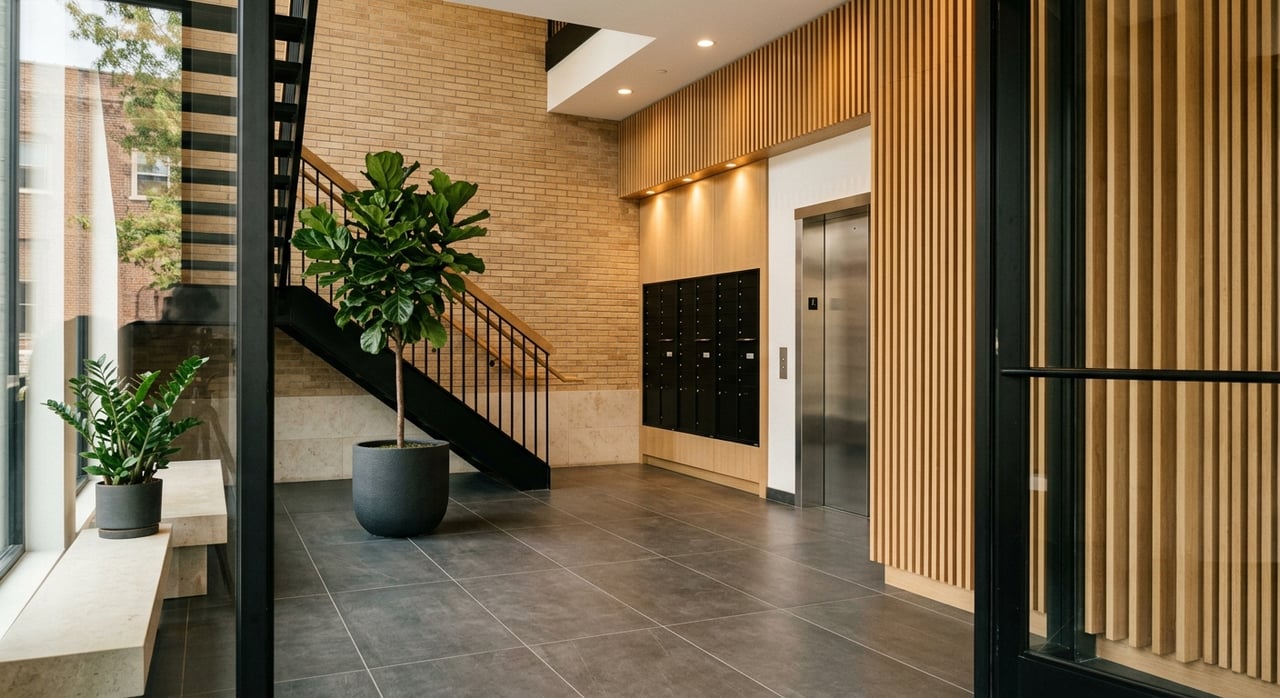
This is where product decisions matter. In a neighborhood with older housing stock and a renter base that is likely balancing value with comfort, practical upgrades often carry more weight than flashy ones. Thoughtful floor plans, strong natural light, durable materials, functional kitchens, in-unit laundry, storage, acoustic separation, and well-finished bathrooms are likely to resonate more than oversized decorative features.
That does not mean your building should feel basic. It means the best-positioned project is often moderately premium rather than ultra-luxury. In Avondale, polished execution and everyday livability may do more for leasing than high-gloss branding.
Unit Mix Should Match Real Demand
Because about two-thirds of renter households are one- or two-person homes, unit mix should reflect that reality. For many projects, that means leading with one-bedrooms and two-bedrooms that use space efficiently and feel easy to live in. If layouts are clean and storage is handled well, smaller floor plates can still compete effectively.
At the same time, a meaningful share of households are larger. That creates room for a limited number of three-bedroom units where the site and pro forma justify them. The key is balance, not overcommitting to a product type that narrows your renter pool.
For investors and developers, this is an important guardrail. In Avondale, unit mix should come from neighborhood data and site logic, not from broad assumptions about what is working elsewhere on the North Side.
Outdoor Space Can Be a Real Advantage
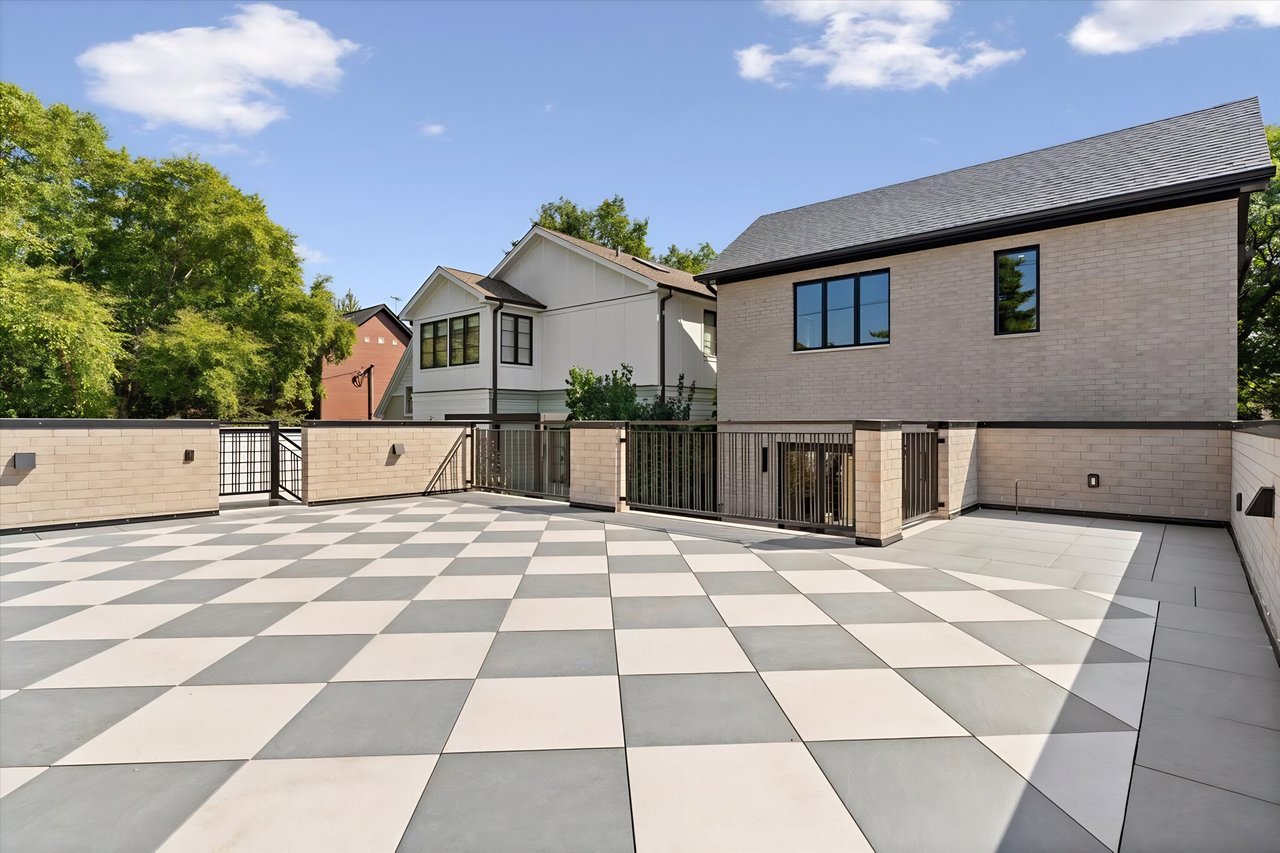
One of the more interesting opportunities in Avondale is differentiation through outdoor space. Because the neighborhood has so many older 2- to 4-unit buildings and relatively little large-scale new product, features like balconies, terraces, shared courtyards, or roof decks can help a project stand out.
This kind of amenity can be especially effective because it adds daily use value without forcing a project into a luxury identity that may be harder to support. It also fits well with the neighborhood’s scale. In many cases, outdoor space can feel like a meaningful upgrade while still keeping the overall concept grounded.
Transit Should Shape Your Strategy
Transit access is a real part of the Avondale story. The CTA Blue Line provides 24-hour rapid transit service between O’Hare and Forest Park, and nearby stations include Addison and Irving Park. Both stations are accessible and include bike parking.
For multifamily investors, that should influence both marketing and planning. Transit access can support renter appeal, especially for working-age households, and it can also affect how you think about parking. A project near transit may not need the same parking approach as a less connected site.
Parking Is a Site-Specific Decision
In Avondale, parking should never be treated as a one-size-fits-all formula. The City of Chicago notes that zoning and land-use designations are parcel-specific, so the right approach depends on the exact address or PIN. That makes early diligence essential.
City planning documents also note that transit-served locations can qualify for up to a 50% reduction in minimum parking requirements, subject to the applicable zoning and approval process. For some projects, that can materially change layout, cost, and unit-count strategy. For others, parking may still be an important competitive feature.
The lesson is simple: test parking against the actual site, not neighborhood shorthand. In a place like Avondale, that can meaningfully improve project positioning.
ARO Review Should Happen Early
Chicago’s Affordable Requirements Ordinance is another issue to address at the front end. The city’s ARO web form specifically asks whether a project is in a Transit Served Location, which tells you how closely this can tie into early planning.
For multifamily and mixed-use projects, this is not something to leave until late in the process. Whether you are underwriting a ground-up development or evaluating an acquisition, early review can help you avoid costly assumptions and keep your plan aligned with city requirements.
Mixed-Use Should Stay Neighborhood-Focused
If your project includes retail, smaller neighborhood-serving space is likely the better fit in Avondale. The neighborhood is described as having a growing dining and nightlife scene along with an industrial-urban character. That supports retail concepts that serve the immediate area rather than oversized destination space.
In practical terms, that can mean keeping retail modest in scale and realistic in its tenant appeal. Overbuilding the commercial component may create unnecessary lease-up risk. A more measured approach often fits both the neighborhood and the investment story better.
Price to the Neighborhood, Not the Hype
Avondale has solid support for market-rate multifamily, but pricing should stay grounded in local numbers. The neighborhood’s median renter household income of $76,457 and median gross rent of $1,585 suggest real capacity. At the same time, 61.4% of renter households are not cost-burdened, while 21.2% are cost-burdened and 17.4% are severely cost-burdened.
That mix supports a disciplined view of rent strategy. There is room for quality product, but aggressive rent pushes may run into resistance if the value proposition is not obvious. In other words, your pricing has to make sense not just on paper, but in the lived reality of the local renter base.
This is one reason Avondale often favors neighborhood-fit positioning. The most defensible concept is usually transit-aware, well designed, and moderately premium, with practical finishes and usable amenities instead of a pure luxury play.
What This Means for For-Sale Components
Some projects may include a for-sale element rather than being fully rental. In that case, Avondale’s numbers still point to opportunity, but with the same need for careful calibration. The CMAP profile shows a 2022 median residential sales price of $470,000 and a 2022 to 2023 median homebuyer income of $142,000 for recent purchase loans in the neighborhood.
That suggests meaningful buying power from owner-occupants. It does not suggest a blank check. If a project includes condos or another for-sale component, pricing, finish level, and absorption timing should still be tested against neighborhood comparables and realistic demand.
The Strongest Positioning for Avondale
When you step back, the clearest strategy for Avondale is not hard to see. The neighborhood supports market-rate multifamily, but the best-positioned projects tend to be practical, polished, and well matched to local demand. That means efficient unit mix, durable finishes, outdoor space where possible, and a transit-aware parking strategy built around the actual site.
For investors, developers, and owners, this is where local judgment matters. A project that respects Avondale’s scale, income profile, and housing patterns is usually on firmer ground than one chasing a broader North Side luxury narrative.
If you are weighing an acquisition, shaping a development plan, or refining how to bring a multifamily asset to market in Avondale, working with a team that understands both neighborhood nuance and product positioning can make a real difference. Meridian Chicago brings a thoughtful, founder-led approach to Chicago multifamily strategy and North Side market insight.
FAQs
What renter profile should guide multifamily positioning in Avondale?
- Avondale has a renter-heavy housing base, and 52.0% of household heads are ages 25 to 44. Renter households are mostly one- and two-person homes, which supports a unit mix centered on efficient one-bedroom and two-bedroom layouts.
What housing stock defines Avondale multifamily opportunities?
- Avondale is dominated by smaller, older buildings. In 2023, 58.5% of housing units were in 2- to 4-unit structures, 55.3% were built in 1939 or earlier, and only 1.7% were in buildings with 50 or more units.
What finish level makes sense for Avondale rental projects?
- The research points to contemporary, durable finishes rather than ultra-luxury upgrades. Features like functional kitchens, in-unit laundry, storage, natural light, and acoustic separation are likely to matter more than purely decorative premium features.
What rent strategy fits the Avondale multifamily market?
- Avondale’s median gross rent was $1,585 in 2023, and the median renter household income was $76,457. That supports market-rate leasing, but pricing should stay disciplined because a meaningful share of renters are still cost-burdened.
What role does transit play in Avondale multifamily planning?
- Transit is a major factor because the CTA Blue Line serves the area with 24-hour rapid transit, including nearby Addison and Irving Park stations. That can strengthen renter appeal and may also influence parking strategy for certain sites.
What should investors know about parking rules in Avondale?
- Parking needs to be reviewed on a parcel-specific basis. Chicago notes that zoning is site-specific, and transit-served locations may qualify for up to a 50% reduction in minimum parking requirements through the applicable zoning and approval process.
What should developers review early for Avondale multifamily projects?
- Early diligence should include zoning, parking assumptions, and Chicago’s Affordable Requirements Ordinance process. The city’s ARO form specifically asks whether a project is in a Transit Served Location, so that issue should be addressed early in planning.
What retail format fits mixed-use projects in Avondale?
- Smaller neighborhood-serving retail is likely a better fit than oversized destination retail. That approach aligns more closely with Avondale’s neighborhood character and helps avoid unnecessary commercial lease-up risk.