Wondering what it really takes to sell a luxury home in Lincoln Park right now? In a neighborhood where pricing can swing widely by block, building, and product type, a strong address alone is not enough. If you want to protect your value and attract serious buyers, you need a strategy built around the specifics of your home and the realities of this market. Let’s dive in.
Lincoln Park Luxury Is Highly Specific
Lincoln Park is one of Chicago’s most established luxury markets, but it is not a single, uniform one. The housing mix includes renovated greystones, new-construction rowhouses, and contemporary condos, along with easy access to the lakefront, parks, museums, shopping, dining, and CTA service.
That variety is part of the appeal, but it also changes how your home should be sold. A newer penthouse condo, a wide rowhouse, and a restored historic home may all compete for different buyers, even if they are only a few blocks apart.
Price Your Home to Its Exact Competition
One of the biggest mistakes luxury sellers make is relying too heavily on broad neighborhood averages. Redfin’s March 2026 data show Lincoln Park’s median sale price at $700K, with homes taking a median 46 days to sell and 41.2% selling above list price.
For luxury property, that broader median only tells part of the story. Redfin’s Chicago-area luxury report places the metro luxury median sale price at $1.507M in December 2025, with luxury homes taking a median 64 days on market.
That means your pricing strategy should come from a narrow set of truly comparable homes. In Lincoln Park, that may mean matching by building style, finish level, outdoor space, parking, layout, and even the feel of a specific block or micro-location.
Why Overpricing Can Backfire
Lincoln Park remains competitive, and Redfin reports that the average home here sells for about 3% above list, while hot homes can sell for about 8% above list. Some listings also receive multiple offers.
Still, healthy demand does not protect a luxury listing from pricing errors. Buyers at this level tend to be selective, and they will often pay for standout homes in standout condition, but they are less likely to ignore obvious overpricing.
Condo Sellers Need an Extra Pricing Lens
If you are selling a condo, the building itself plays a direct role in value. Under Illinois condo resale disclosure requirements, buyers may review items such as unpaid assessments, anticipated capital expenditures, reserve balances, financial statements, pending suits or judgments, insurance coverage, and whether alterations are believed to comply with condo documents.
Those details can shape buyer confidence just as much as the finishes inside your unit. In practice, that means two similar condos can perform very differently based on the strength and transparency of the association.
Presentation Matters More in Luxury
In the luxury segment, presentation is not a finishing touch. It is part of the pricing and marketing strategy.
According to the National Association of Realtors’ 2025 staging report, 29% of agents said staging increased offers by 1% to 10%, and 49% said it reduced time on market. The same report found that 81% of buyers’ agents said staging made it easier for clients to visualize a home, while 81% of consumers said listing photos were the most important factor when evaluating properties.
That is especially relevant in Lincoln Park, where buyers often compare polished listings quickly and online before deciding what is worth touring. If your home does not photograph well, it may lose attention before the showing even happens.
Highlight the Right Features
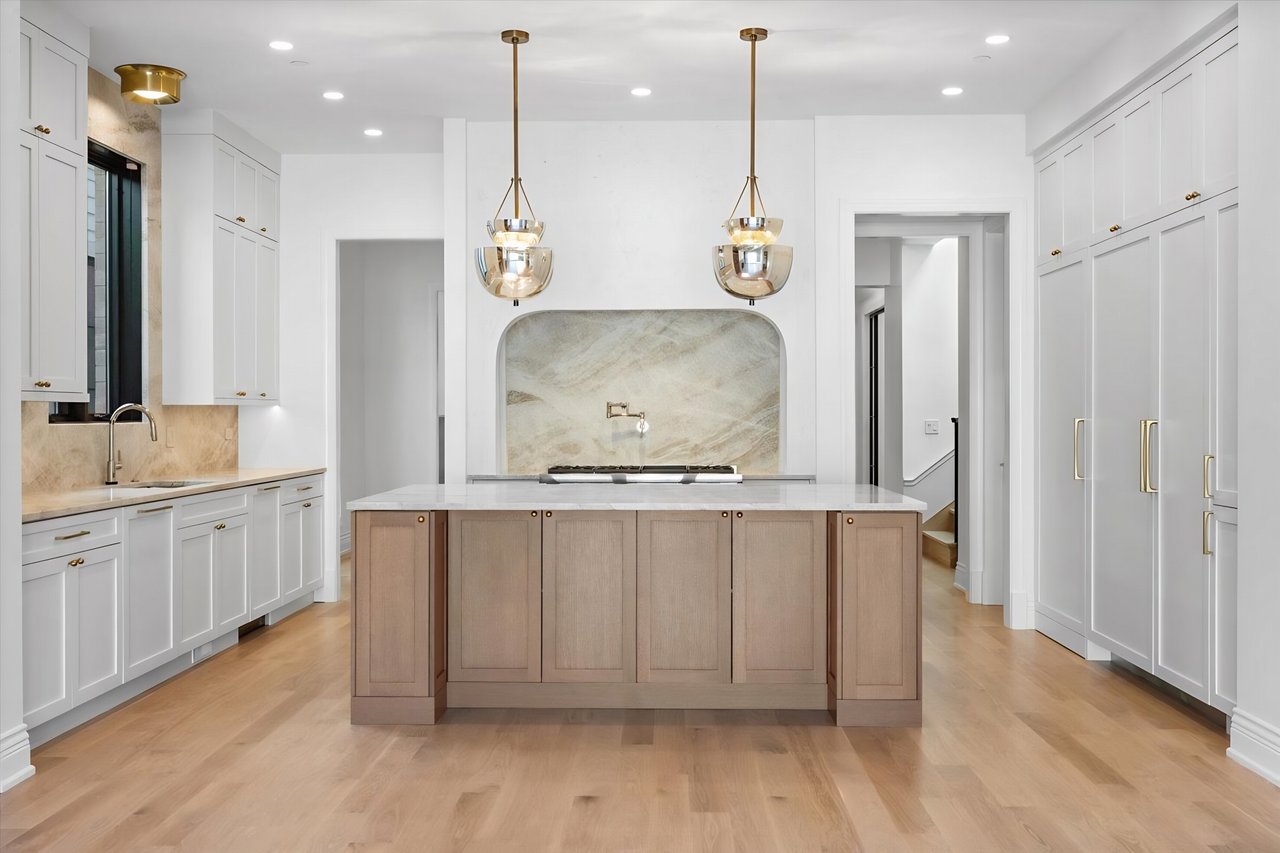
Luxury buyers are often drawn to features that improve how a home lives day to day. Redfin’s 2025 luxury-feature survey points to strong buyer interest in smart layouts, spa-style bathrooms, indoor-outdoor living, chef kitchens, hidden prep spaces, custom closets, and discreet smart-home technology.
For a Lincoln Park seller, that means your marketing should focus on tangible, useful upgrades rather than vague labels. Natural light, turnkey condition, quality millwork, private outdoor space, and thoughtful storage often resonate more than simply calling a home “luxury.”
Match the Story to the Home Type
Lincoln Park includes both historic and newer housing stock, so your presentation should fit the property. In an older home, buyers may respond to preserved architectural detail, proportion, and character.
In a newer condo or rowhouse, the focus may be better placed on clean design, modern functionality, low-maintenance finishes, and efficient floor plans. The strongest campaigns do not use one generic luxury formula. They tell the right story for the specific product.
Build a Longer Runway Before You Launch
A successful sale often starts before the listing goes live. With Lincoln Park homes selling in a median 46 days and Chicago luxury homes averaging 64 days on market, timing should be based on readiness, not just the calendar.
That means giving yourself enough time to prepare the home, make repairs, review pricing, gather documents, and create polished photography and marketing materials. Rushing to market with an incomplete presentation can cost you leverage.
Your Pre-Listing Checklist
Before launching, it helps to have a clear plan for the basics:
- Complete repairs and touch-ups
- Review pricing against a narrow luxury comp set
- Stage key rooms for photography and showings
- Gather seller disclosure materials
- Prepare condo documents early, if applicable
- Confirm a marketing plan tailored to your home type
This kind of preparation supports a smoother debut and helps your home enter the market with purpose.
Illinois Disclosure Rules Can Affect the Deal
For sellers in Illinois, disclosures are not just paperwork. They can directly affect contract timing and buyer rights.
Illinois law requires the seller’s residential disclosure report to be delivered before the contract is signed. If new information comes up before closing, the seller must supplement that disclosure.
If a late disclosure reveals a material defect, the buyer may have five business days to terminate and recover earnest money. A seller who knowingly violates the law or provides false information can be liable for actual damages, court costs, and potentially attorney’s fees.
Condo Sales Require Extra Lead Time
If you are selling a condo, there is a separate document process under Section 22.1 of the Illinois Condominium Property Act. Upon demand, the seller must obtain and make association documents available, and the association has 10 business days to provide them.
The package can include the declaration, bylaws, unpaid assessments, reserve information, anticipated capital expenditures, financial statements, pending suits, insurance information, alteration compliance, and officer contact details. Associations may charge up to $375, plus $100 for rush service.
Because these documents can influence both value and timing, it is wise to request them early instead of waiting until a buyer is already in motion.
Plan Closing Costs and Transfer Steps Early
Luxury transactions often involve more moving pieces, and it helps to understand the local transfer process in advance. In Chicago, the city transfer tax is $3.75 per $500 for the city portion, plus a $1.50 per $500 CTA supplemental portion.
Under city rules, the city portion is paid by the transferee or buyer, while the CTA portion is paid by the transferor or seller. Cook County also adds a $0.25 per $500 transfer tax, with the seller bearing the primary incidence by default.
Chicago also requires a Full Payment Certificate for all transfers, and the deed cannot be recorded without the tax stamps connected to that certificate. None of this should be a last-minute surprise when you are already heading to closing.
Hyperlocal Representation Makes a Difference
Lincoln Park spans a broad range of values, from more mid-range homes to premium listings around $10 million. That is why selling well here takes more than a generic luxury playbook.
You need a strategy built around your exact product, your likely buyer pool, the right comparable sales, and the legal and financial details that may shape buyer confidence. In a neighborhood this layered, local judgment matters.
For sellers who want a more tailored process, boutique representation can offer an advantage. A founder-led, neighborhood-specific approach often means more attention to pricing precision, presentation, negotiation, and the details that help a home stand out for the right reasons.
If you are thinking about selling a luxury home in Lincoln Park, a thoughtful plan can make a meaningful difference in both timing and outcome. When you are ready for a more tailored conversation, connect with Meridian Chicago.
FAQs
How long does it take to sell a luxury home in Lincoln Park?
- Redfin reports a median of 46 days for Lincoln Park homes overall, while its Chicago-area luxury report shows a 64-day median for luxury homes, so timing can vary based on pricing, condition, and property type.
How should you price a luxury home in Lincoln Park?
- You should price it against a narrow group of truly comparable homes rather than the broader neighborhood median, because Lincoln Park includes very different home types and price points.
What matters most when marketing a luxury home in Lincoln Park?
- Professional staging, strong photography, and clear positioning around features like layout, outdoor space, finishes, and condition are especially important in this segment.
What condo documents do sellers need in Illinois?
- Illinois condo resale materials can include association financials, reserve balances, unpaid assessments, anticipated capital expenditures, insurance information, pending litigation, governing documents, and alteration compliance details.
What disclosures are required when selling a home in Illinois?
- Illinois requires a residential disclosure report before contract signing, and sellers must update it before closing if new material information becomes known.
What transfer taxes apply when selling in Chicago?
- Chicago applies city and CTA transfer taxes, and Cook County adds its own transfer tax, with different portions assigned to the buyer or seller under local rules.